
Most children worry from time to time. It might be about school, friends, tests or sleeping away from home. For some children and teenagers though, anxiety and worry start to take over. You may notice them avoiding things they used to manage, becoming tearful or angry more often, or complaining of tummy aches and feeling sick with no clear medical cause.
As a parent it can be hard to know when anxiety in children and teenagers is just a phase and when it is a sign that they need more help. You may have tried reassurance, talking things through and encouraging them gently, yet the anxiety and worry seem to be getting stronger instead of easing off.
You can also visit our children and teenagers page to see the full range of ways we help young people and their families.

What Anxiety And Worry Look Like In Children And Teenagers
Anxiety in children and teenagers does not always look like worry on the surface. Sometimes it shows up as physical symptoms such as headaches, tummy aches, feeling sick, dizziness or needing the toilet more often. Some children become clingy, refuse school or activities, or need repeated reassurance that things will be all right. Others appear irritable, snappy or withdrawn rather than openly worried.
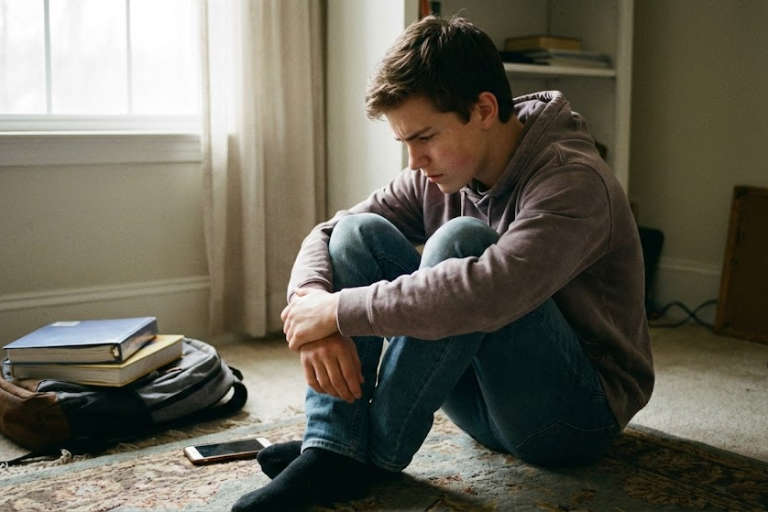
Teenagers can become very good at hiding how anxious they feel. You might notice changes in sleep, appetite, motivation or mood. They may spend more time on their phone, avoid social situations or become excessively focused on school work, marks or how other people see them. Underneath, anxiety in children and teenagers is usually driven by the same thing, their nervous system has learned to treat ordinary situations as if they are genuinely dangerous.
When Normal Worries Become A Problem
It is normal for children to go through phases of worry as they grow and face new situations. We tend to be more concerned about anxiety in children and teenagers when those worries are intense, frequent and sticky. If your child spends a lot of time thinking about what might go wrong, needs constant reassurance, or becomes distressed at the idea of school, clubs or social events, it is a sign that anxiety and worry are starting to limit their world.
Another sign is when your family life begins to organise itself around the anxiety. Perhaps everyone is planning the day to prevent certain triggers, or you are frequently picking them up early, cancelling arrangements or sleeping in their room so they can cope. These steps are understandable and often kind, however if they continue long term they can accidentally teach the anxious part of your child that it is right to be scared. Over time that can make anxiety in children and teenagers stronger, not weaker.
Why Early Anxiety Matters For Future Patterns
Childhood is a time when the brain is learning very quickly what is safe, what is dangerous and how to respond to different situations. When anxiety in children and teenagers is left to run the show, the nervous system can learn that avoidance and worry are the safest options. Later in life that can show up as shyness, social anxiety, panic, overthinking or difficulty coping with change and uncertainty.
The good news is that those patterns are not fixed. Children live in their imagination and they are used to using it. They are often able to adapt and take on new behaviours much faster than adults. On average a child will usually need around half the number of sessions than an adult would for the same type of problem. When we work early with anxiety in children and teenagers, we are not only helping them feel better now, we are also shaping healthier emotional habits for the future.
How Hypnotherapy Helps Children And Teenagers With Anxiety
Hypnotherapy gives us a gentle, child friendly way to work with the deeper emotional learning that drives anxiety in children and teenagers. Rather than only talking about the worry, we help your child use their imagination to rehearse feeling calmer and more confident in the kinds of situations that usually trigger them.
In a typical session we might use stories, simple imagery, metaphors and age appropriate explanations about how the brain works. Children and teenagers are invited to picture their worries in different ways, try out new responses and experience what it is like when their body and breathing stay calm. Over time this begins to retrain the nervous system so that it no longer reacts as if ordinary events are emergencies.
For the full overview of how we work with young people, see Hypnotherapy for Children. You can also browse the wider Children & Teenagers section.
What Sessions Are Like For Children And Young People
At The Surrey Institute Of Clinical Hypnotherapy we work in a calm, relaxed and non judgemental way. The first part of the session is usually spent with you and your child together so we can understand what has been happening from both perspectives. We take time to explain things clearly so that children, teens and parents all know what to expect.
When we begin the hypnotherapy itself, many children simply feel as if they are listening to a story or guided daydream while sitting comfortably with their eyes closed or gently focused. There is no sense of losing control and no pressure to perform. Teenagers are involved in shaping the work so that it fits their personality and interests, which might include using ideas from sport, music, gaming or other areas that matter to them.
Evidence And Research
Large national surveys show that anxiety and other mental health difficulties are very common in young people. The 2023 Mental Health Of Children And Young People in England report from NHS England found that around one in five eight to twenty five year olds met the threshold for a probable mental disorder, including anxiety related problems. You can read more about these figures on the NHS England summary page at NHS England and in the statistics collated by YoungMinds, who highlight how many children struggle with anxiety, low mood and related difficulties.
The National Institute For Health And Care Excellence guideline on social anxiety disorder, NICE CG159, recommends structured psychological approaches such as cognitive behavioural therapy for children and young people. The information for families section on treatment for children and young people explains how therapy should include clear education about anxiety, gradual and supported exposure to feared situations, and practical coping skills, often involving parents so that they can help at home, which you can see here on the NICE website at treatment for children and young people.
There is also a growing evidence base for hypnosis and related mind body approaches in children and adolescents. A recent twenty year meta analysis of hypnosis for mental and physical health problems reported that hypnosis can produce medium to large treatment effects, with some of the strongest results seen in children and teenagers, particularly for pain, medical procedures and anxiety related difficulties. You can read the open access paper by Rosendahl and colleagues in Frontiers In Psychology at Frontiers In Psychology.
Working Alongside Parents And Families
When we treat anxiety in children and teenagers it is almost always helpful to involve parents in the process. You know your child best and you are with them far more than we are.
Part of our role is to help you understand what is happening underneath the anxiety, and to offer practical suggestions for how you can respond in ways that support change rather than accidentally feeding the cycle.
That might include small adjustments to routines, new ways of responding to reassurance seeking, or gentle steps to help your child face situations they have been avoiding.
We aim to work collaboratively with you, not to criticise your parenting. Many parents tell us they feel relieved to have a clearer map of what to do when anxiety flares up at home or on the way to school.
How Many Sessions Children Usually Need
Every child is different, however children often respond more quickly than adults. On average, for anxiety in children and teenagers we might expect noticeable changes within three or four sessions, with some needing a little longer and others settling sooner. Part of our first meeting will involve giving you a realistic idea of how many sessions we feel are appropriate for your child’s specific situation.
Our aim is always to help your child build skills and confidence that will last beyond our work together, not to keep them in therapy longer than necessary. We want them to leave with a stronger sense that they can handle feelings, thoughts and situations that used to feel overwhelming.
Frequently Asked Questions About Anxiety And Worry In Children And Teenagers
It is normal for children to worry at times, especially around changes and new experiences. We usually suggest seeking help when anxiety in children and teenagers starts to interfere with everyday life. This might mean avoiding school, refusing activities they used to enjoy, frequent physical symptoms with no medical cause, or family routines constantly changing to work around the anxiety. If you are unsure, an initial conversation can help you decide whether hypnotherapy is appropriate.
Yes, hypnotherapy for anxiety in children and teenagers is gentle and non intrusive when it is carried out by an experienced, appropriately trained therapist. Children remain in control throughout, and most experience the work as listening to stories, guided daydreams or calming exercises. We always explain what we are doing in age appropriate language, and we encourage parents to ask questions so that everyone feels comfortable with the process.
Yes, when we are working with anxiety in children and teenagers we see parents as a key part of the process. We normally begin with you in the room so we can build a shared picture of what has been happening. Depending on your child’s age and preference, some of the hypnotherapy may be done with just the young person in the room, but we will keep you updated and agree clear ways that you can support the changes at home.
Every young person is different, however children often respond more quickly than adults. For anxiety in children and teenagers it is common to see noticeable changes within three or four sessions, and we will give you a clearer idea after the first appointment. Our aim is to provide enough sessions for changes to bed in, without keeping your child in therapy longer than is genuinely useful.
Many teenagers feel uncomfortable talking openly about anxiety in children and teenagers, especially at first. We work at their pace, using explanations, stories and imagery that feel less exposing than direct questioning. Hypnotherapy does not depend on them telling us every detail. Instead we focus on helping their nervous system respond differently, while building enough trust that they feel able to share what matters as we go along.
Getting Help For Anxiety And Worry In Children And Teenagers
If you recognise your child or teenager in what you have read here, you do not have to face it alone. Anxiety in children and teenagers is very common, and with the right approach most young people can learn to feel safer, calmer and more capable again. Early support can prevent patterns from becoming more deeply ingrained and can make everyday life easier for the whole family.
For a wider view of the issues we treat, you can return to the main problems we help with page.
To find out how we can help, you are welcome to contact The Surrey Institute Of Clinical Hypnotherapy for an initial conversation. We can talk through what has been happening, answer any questions you may have about hypnotherapy for anxiety in children and teenagers, and suggest a way forward that feels manageable for you and your child.