
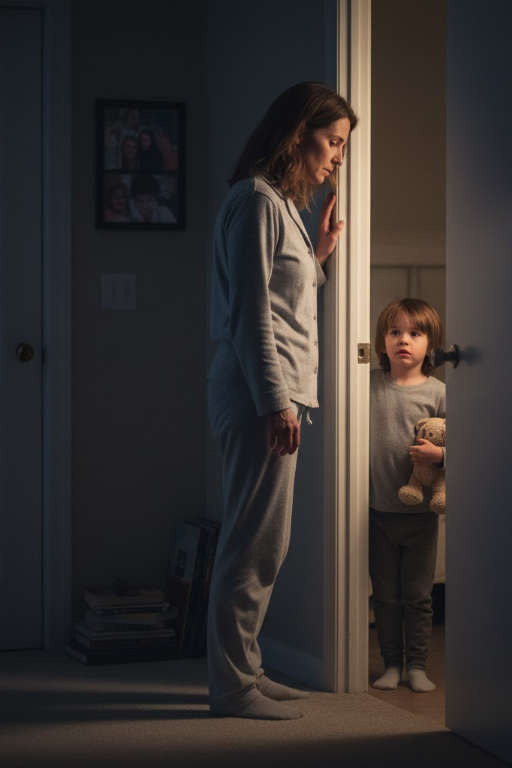
Many parents expect some bedtime resistance from time to time, however for some families sleep problems in children become a nightly battle. Bedtime stretches out for hours, your child calls you back again and again, and by the time they finally fall asleep everyone is exhausted and on edge.
You might find your child refusing to go to bed, needing you to lie with them until they fall asleep, or waking repeatedly in the night. In the morning they are tired and grumpy, school feels harder and simple tasks turn into arguments. Over time, sleep problems in children can begin to affect the whole family, leaving parents feeling guilty, frustrated and unsure what to try next.
Sleep problems in children are very common, and you do not have to figure it out alone. You can also visit our children and teenagers section to see the full range of ways we help young people and their families.
What Sleep Problems Look Like In Children And Teenagers
Sleep problems in children do not always look like simple refusal to go to bed. Some children say they cannot switch their mind off, others complain of tummy aches, headaches or unexplained pains just as bedtime approaches. You might notice stalling behaviours, repeated requests for drinks, snacks or one more story, or a sudden fear of the dark and being on their own.
Teenagers with sleep problems often appear tired, irritable or “wired and tired” late into the night. They may stay on their phone, struggle to get up for school, or tell you that they cannot sleep without music, a podcast or scrolling. Underneath, sleep problems in children and teenagers are often closely linked with anxiety and an overactive nervous system that has forgotten how to wind down.
When Normal Bedtime Ups And Downs Become A Problem
Most families go through phases where bedtime is harder, for example after illness, holidays or big changes at school. We usually worry more about sleep problems in children when the difficulties are frequent, long lasting and disruptive. If your child regularly takes a long time to settle, wakes often in the night, or relies on you to be right there to fall asleep, it may be a sign that extra support would help.
Another red flag is when bedtime battles start to shape the whole evening. Perhaps you and your partner now take turns lying on the floor by the bed, or you find yourself giving in to arrangements you are not happy with just to get some sleep. Over time these patterns can accidentally teach the brain that sleep is something to fight against. Supporting sleep problems in children is partly about helping the child, and partly about gently resetting the family routines that have grown up around the problem.
Why Sleep Problems In Children Matter
Sleep is not just “time off”. For children and teenagers it is when the brain processes the day, consolidates learning and resets emotional balance. Ongoing sleep problems in children are linked with difficulties in attention, behaviour, mood and school performance. When a child is chronically tired it is much harder for them to handle ordinary frustrations, friendships and academic demands.
The good news is that child sleep problems are usually changeable. Children’s brains are still flexible, and with the right combination of routine changes, emotional support and nervous system calming, many families see improvements more quickly than they expect.

When we work early with sleep problems in children, we are not only aiming for a quieter bedtime, we are also protecting their ability to learn, cope and enjoy life during the day.
How Hypnotherapy Helps Sleep Problems In Children And Teenagers
Hypnotherapy gives us a gentle, practical way to help the nervous system learn how to switch from “alert” into “rest and sleep”. Rather than only talking about sleep problems in children, we guide your child to use their imagination to experience what it feels like when their body is heavy, comfortable and calm. Over time, this helps their brain relearn that night time can be safe and predictable.
In session we might use stories, soothing imagery and simple breathing patterns that your child can copy at home. For teenagers we often include explanations about how sleep works, why irregular routines and screens make it harder, and how small consistent changes can make bigger differences than one dramatic effort. The aim is to make hypnotherapy for sleep problems in children feel like a series of manageable steps, not a battle.
What Sessions Are Like For Children And Young People
At The Surrey Institute Of Clinical Hypnotherapy we work in a calm, relaxed and non judgemental way. The first part of the session is usually spent with you and your child together so that we can understand what has been happening around bedtime and overnight. We ask about daytime worries too, because sleep problems in children often sit alongside anxiety or other stresses.
When we begin the hypnotherapy itself, most children experience it as listening to a story or guided daydream while sitting or lying comfortably. Some like to imagine their bed as a safe, cosy space that gets more familiar each night, others enjoy visualising a “sleep switch” they can turn down. Teenagers are involved in shaping the work so that it fits their world, which might include linking new sleep habits to sport, study, music or gaming in a realistic way.
Working Alongside Parents On Bedtime Battles
When we are treating sleep problems in children it is almost always important to involve parents. You see what happens at bedtime, you are the one called back to the bedroom at night, and you live with the fallout of tired mornings. Part of our role is to help you recognise which bedtime patterns are soothing and which, despite best intentions, may be keeping the sleep problem going.
We look at practical steps you can take, such as building a predictable wind down routine, using consistent responses to “just one more” requests, and agreeing gentle boundaries around screens and late night stimulation. Together we design changes that feel realistic for your family, so you are not trying to transform everything overnight. Many parents tell us they feel more confident and less alone once they have a clear plan for supporting sleep problems in children at home.
Evidence And Research
Research shows that sleep problems in children are common and can have a real impact on wellbeing. Population studies suggest that around twenty to thirty percent of children experience significant sleep difficulties at some point, including problems falling asleep, staying asleep or waking too early. An overview from the American Academy Of Sleep Medicine describes how inadequate sleep in childhood is associated with poorer school performance, behavioural problems and difficulties with emotional regulation, which you can read more about in their summary for families at SleepEducation.org.
Guidelines emphasise that first line support for sleep problems in children should focus on behavioural and psychological approaches, rather than medication. The National Institute For Health And Care Excellence highlights the importance of consistent routines, managing associations with falling asleep, and addressing anxiety and behavioural factors in their guidance on sleep problems in children with additional needs, which families can explore in the NICE resource on behavioural interventions for settling problems and night waking. Similar recommendations are echoed by NHS information for parents, such as the advice on creating a calming bedtime routine on the NHS sleep problems in young children page.
A clinical review in the journal Paediatric Clinics Of North America describes how hypnosis can help children with sleep problems, pain and anxiety to gain more control over their symptoms, which you can explore via the abstract at ScienceDirect. At The Surrey Institute Of Clinical Hypnotherapy we draw on these findings, combining evidence based behavioural strategies with gentle hypnotherapy to support sleep problems in children in a way that is practical for real families.
How Many Sessions Children Usually Need
Every child and family is different, however sleep problems in children often respond well once we combine emotional work with practical routine changes. In many cases we expect to see meaningful shifts within three or four sessions, with some families needing a little longer and others settling more quickly. Part of our first meeting will involve giving you a realistic idea of how many sessions we feel are appropriate in your situation.
Our aim is always to help your child and your family build habits that last, rather than creating a solution that only works while you are in therapy. We want your child to leave feeling more capable of falling asleep and staying asleep, and for bedtime to become a calmer, more predictable part of your day.
Frequently Asked Questions About Sleep Problems In Children
Most families have the odd rough night, however we usually suggest seeking help when sleep problems in children are happening several nights a week, have been going on for more than a few weeks, or are clearly affecting daytime behaviour, mood or learning. If you are unsure whether to worry, an initial conversation can help you decide whether hypnotherapy and routine changes are appropriate.
We know that in modern family life screens are part of how children and teenagers relax and connect. For sleep problems in children we usually suggest gradual, realistic changes rather than sudden bans. That might mean moving phones and tablets out of the bedroom at night, bringing screen time forward in the evening, and building in calmer, non screen wind down activities before bed.
This is a very common part of sleep problems in children, especially when there has been illness, past scares at night or anxiety about being alone. We will help you build a step by step plan so that your child feels safe enough to sleep in their own bed again, for example by gradually increasing the distance between you, using predictable check ins and combining this with soothing imagery from the hypnotherapy sessions.
Getting Help For Sleep Problems In Children And Teenagers
If you recognise your family in what you have read here, you are not alone. Sleep problems in children and teenagers are very common, and with the right support most young people can learn to fall asleep more easily and stay asleep for longer. Small, consistent changes can transform bedtime from a battle into a calmer part of the day.
For a wider view of the issues we treat, you can return to the main problems we help with page, or explore other topics on the children and teenagers section.
To find out how we can help, you are welcome to contact The Surrey Institute Of Clinical Hypnotherapy for an initial conversation. We can talk through what has been happening at bedtime, answer any questions you may have about using hypnotherapy for sleep problems in children, and suggest a way forward that feels manageable for your family.