
Problem gambling rarely starts out as “a big problem”. For many people, problem gambling is not really about enjoying the win, it is about the crash after the loss, and the urge to make that feeling stop. It often begins as a small relief, a distraction, a hit of excitement, a way to switch off stress, boredom, loneliness, or pressure. Then the brain learns the shortcut, and it stops feeling optional.
“For most people we see, it’s not the high of winning that keeps the loop alive. It’s the crash after losing, and the urge to make that feeling stop, quickly.”
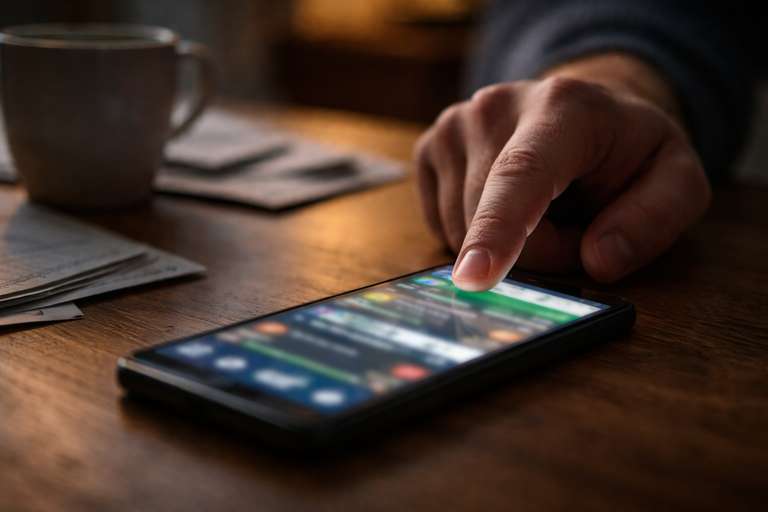
If you’re stuck in that loop, it can feel confusing. Part of you knows it’s costing you time, money, sleep, trust, and peace of mind. Another part keeps pulling you back, especially when you feel tense, flat, or overwhelmed.
This page explains how we approach problem gambling issues at The Surrey Institute of Clinical Hypnotherapy. It sits within our Habits And Addictions section, where we focus on repetitive patterns that have become sticky and automatic. If you’re not sure where you fit, start here.
We keep this page focused. It’s about hypnotherapy for gambling, not a general mental health overview and not a lecture. No shaming, no “just stop”. We’re interested in what your nervous system has learned, why the urge arrives when it does, and how to retrain that pattern so you get your choice back.
You can also return to our main Problems We Help With page for the wider map of support.
When Gambling Stops Feeling Like A Choice
There’s a moment people describe again and again, the point where gambling stops being “something I do” and becomes “something that happens to me”. You might be on your phone without really deciding. You might tell yourself you’ll just check, just a quick look, and then hours have gone.
For some people the pain is financial. For others it’s the secrecy, the lying, the fear of being found out, the way it knocks confidence. Often it’s all of it at once. And underneath, the nervous system starts to treat gambling like a regulation tool, an emergency button for feelings you don’t want to feel.
That’s why hypnotherapy for gambling needs to focus on the pattern, not just the behaviour. If the brain believes gambling equals relief, it will keep pushing you back towards it, even when your logical mind is shouting “don’t”.
The Relief Loop Behind Problem Gambling
A lot of gambling is not really about money. It’s about state change. The brain goes from restless to focused, from flat to alive, from anxious to oddly calm. You get a narrow tunnel of attention that blocks everything else out for a while.
Then the rebound hits. Losses, regret, shame, panic, broken sleep, the jolt of “what have I done”. That rebound is brutal, and it creates the next trigger. Your system wants to escape the feelings created by the last session of gambling, so it pushes you towards gambling again. It’s a loop that feeds itself. The win is not the hook, the hook is the desperate need to undo the loss feeling.
“The loss isn’t just money. It’s the body feeling, shame, panic, regret, that tight urgent ‘fix it’ sensation. Once the brain learns gambling can mute that for a moment, it starts asking for it again.”
In hypnotherapy for gambling we often work on that relief and rebound cycle directly, so the nervous system learns calmer ways to settle without needing the spike and crash.
Why Willpower Often Fails In The Moment
People get very harsh with themselves about gambling. “I’m weak.” “I’ve got no discipline.” But if the behaviour is being driven by the automatic brain, willpower is trying to fight a reflex. And reflexes are fast.
That’s also why you can be completely sincere when you say, never again, and still find yourself slipping later. The promise is real, it’s just being made from the part of the mind that is not in charge when the urge hits.
When the nervous system is in threat mode, the brain stops asking “is this wise” and starts asking “what ends this feeling quickest”.
The goal of hypnotherapy for gambling is not to “try harder”. It’s to change what the brain predicts will help, so the urge itself reduces and your thinking stays online when it matters.
How Hypnotherapy Helps With Problem Gambling
Hypnotherapy is a practical way to work with the automatic responses that sit underneath gambling urges. In a focused, relaxed state, it becomes easier to update the learned links, the ones that say stress equals gambling, boredom equals gambling, shame equals gambling, and replace them with something steadier.
Depending on your pattern, we might work on calming the body’s urgency, reducing impulsive “just do it” moments, building tolerance for uncomfortable feelings without needing an escape, and shifting the identity level beliefs that keep people stuck, “this is just me”, “I always mess up”, “I’ve ruined everything anyway”.
Good hypnotherapy for gambling is not about taking control away from you. It’s about giving you more control back, by changing the background programming that has been hijacking the moment.
Evidence And Research
The research base for hypnotherapy for gambling is smaller than it is for some other habit patterns, however there is published work integrating hypnosis and self hypnosis into a cognitive behavioural treatment approach for pathological gambling. One example is a study by Lloret and colleagues, available via PubMed here, Integrating hypnosis into CBT for pathological gambling.
More broadly, medical hypnosis has a strong evidence base for reducing stress and supporting emotional regulation, which matters because stress and rebound distress often drive gambling urges. A widely cited review of medical hypnosis and its clinical applications is available open access on PubMed Central here, The efficacy, safety and applications of medical hypnosis. In practice, we use that stress regulation advantage to support hypnotherapy for gambling in a way that targets the urge cycle and the relief loop.
What We Work On In Sessions
We start by mapping your loop. Not in a moral way, in a practical way. What tends to happen just before the urge, what time of day, what feelings, what situations, what thoughts. Then what happens during, and what the rebound looks like afterwards.
From there we build a plan that fits real life. Some people need help with stress and overwhelm. Some need help with impulsivity. Some are chasing numbness. Others are chasing excitement because everything else feels dull. It matters, because the hypnotherapy needs to match the function of the behaviour.
This is one reason hypnotherapy for gambling can be so effective when it’s done properly. We’re not trying to paste “willpower” on top of a nervous system problem, we’re retraining the system that keeps triggering the urge.
In Person And Online Support
We see clients in person at our clinic in Wallington in Surrey. Some people prefer face to face sessions because it feels more containing, and it helps them step out of the environment where the habit usually runs.
Online hypnotherapy can also work very well, especially if privacy and travel are difficult. When it’s set up properly, with a quiet space, headphones, and a stable connection, online sessions can be just as effective as in person work. We will talk you through the setup so it feels straightforward.
Whether we work online or in person, the focus stays the same, practical hypnotherapy for gambling that targets the loop and helps you feel more choice again.
Frequently Asked Questions About Hypnotherapy For Gambling
Some people want to stop completely, others want to regain control so gambling is no longer running their life. We’ll talk that through with you. In many cases, especially when the behaviour has become compulsive, stopping fully for a period can help the nervous system settle and break the learning loop. Hypnotherapy for problem gambling is about helping you reach a place where your choices feel real again.
Urges are not just thoughts, they are body states, pressure, restlessness, tunnel focus, urgency. Hypnotherapy for problem gambling helps by calming the body’s alarm and excitement response, and by updating the learned association that gambling is the fastest way to feel better. When the nervous system is calmer, the urge loses intensity and you can think again.
It depends on how long the pattern has been running, how intense the urges are, and what else is feeding the loop. Some people notice shifts quickly once we target the relief and rebound cycle. Others need longer, especially if stress, trauma, or long standing shame is involved. We’ll give you a realistic sense of timing after the first session. The aim is always effective hypnotherapy for problem gambling, not an open ended process.
Yes, and we don’t treat slips as proof you’ve failed. A slip is information, it shows us where the loop is still active. We look at what triggered it, what the urge was trying to do for you, and what the rebound created afterwards. Then we target that piece. In good hypnotherapy for problem gambling, the work becomes more precise over time, not more judgemental.
Yes. People often delay getting help because they feel ashamed and they don’t want anyone to know. We work respectfully and confidentially. You do not have to share every detail to benefit from hypnotherapy for problem gambling, we focus on the pattern and what needs to change.
Getting Help For Problem Gambling
If you recognise yourself in this, you don’t have to keep doing it alone. Problem gambling is a learned loop, and learned loops can be unlearned. The earlier you interrupt it, the easier it tends to be to change.
For the wider picture of how we help with habits and addictive patterns, you can return to our Habits And Addictions page.
To find out how we can help, you are welcome to contact The Surrey Institute of Clinical Hypnotherapy for an initial conversation. We can talk through what has been happening, answer questions about hypnotherapy for gambling, and suggest a practical next step that feels manageable.