
Hypnotherapy for postnatal depression can sound like a big step when you are already exhausted and overwhelmed. You may have a healthy baby, people keep telling you that you should be happy, yet inside you feel flat, anxious, tearful or strangely numb, as if you are watching your own life from the outside.
Perhaps you find yourself snapping at people you love, feeling guilty for not enjoying your baby enough, or worrying that you are somehow failing as a parent. You may be sleeping badly even when the baby sleeps, replaying parts of the birth, or wondering whether you will ever feel like yourself again. It can be very hard to admit these feelings, especially when everyone around you seems to be coping.
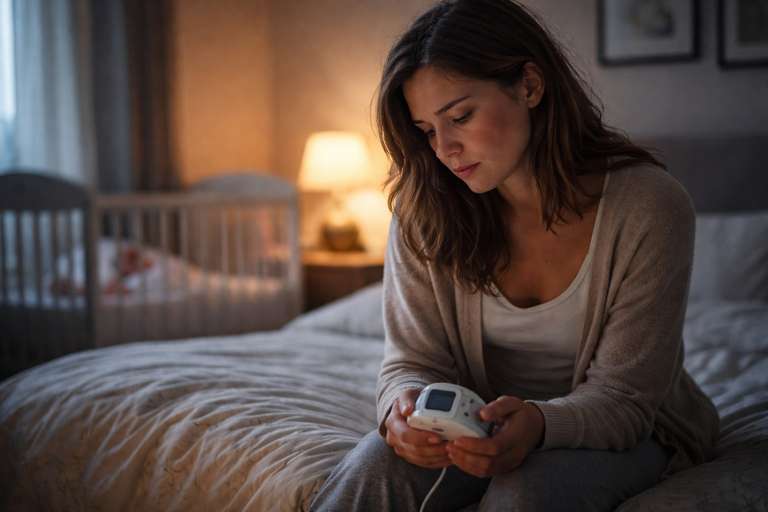
This page explains how we use hypnotherapy for postnatal depression at The Surrey Institute of Clinical Hypnotherapy, working alongside your GP, health visitor and any other support you have in place. Our aim is to help you feel safer in your own mind and body, ease the constant self criticism and rebuild some of the confidence and steadiness that got lost along the way.
How Postnatal Depression Can Feel Day To Day
Postnatal depression is more than simple tiredness or the short lived baby blues. It often creeps in over weeks or months. You might notice that you are crying more often, losing interest in things you used to enjoy, or going through the motions with the baby while feeling very little inside. Some women describe a heavy, foggy feeling, as if everything takes more effort than it should.
There can also be a sharp, anxious edge. You may find yourself worrying constantly about your baby’s health and safety, checking and re checking things, or feeling panicky if you are left on your own. For some people, thoughts can turn very dark, including frightening images, intrusive thoughts about harm coming to the baby, or a sense that everyone would be better off without them. These thoughts are deeply distressing, but they are a symptom, not a sign that you are a bad parent.
If any of this sounds familiar, hypnotherapy for postnatal depression can provide a space where your experience is taken seriously and where we work with the underlying patterns in the mind and body, not just the surface symptoms. You do not have to minimise what is happening just because other people think you should be coping.
Why Postnatal Depression Is Not Your Fault
One of the cruellest parts of postnatal depression is the way it convinces you that you are to blame. You might tell yourself that you are weak, ungrateful or simply not cut out to be a parent. In reality, postnatal depression is influenced by a mix of factors, including hormones, sleep deprivation, previous mental health history, birth experiences and the amount of support around you.
If you had a difficult or traumatic birth, a premature baby, feeding problems or health worries, your nervous system has had a lot to hold. Even when pregnancy and birth looked straightforward on paper, the huge change in identity, responsibility and daily routine can be overwhelming. Social media, family expectations and unhelpful comments from others can add more pressure, feeding the belief that everyone else is coping better than you.
In hypnotherapy for postnatal depression we spend time separating who you are from what you are experiencing. You are not your low mood, you are not your intrusive thoughts and you are not failing just because you need support. That shift in perspective is often an important early step in recovery.
How Hypnotherapy For Postnatal Depression Works
Hypnotherapy for postnatal depression uses focused relaxation and guided imagery to work with the deeper part of the mind that holds emotional learning and automatic responses. Rather than only talking about how you feel, we help your brain and nervous system experience calmer, kinder patterns from the inside, so the change is not just intellectual.
In practice that might mean picturing yourself moving through a day with more steadiness, imagining handling night feeds with a little more ease, or gently reshaping the way your mind stores memories of the birth. We work with the critical inner voice that keeps telling you that you are not enough, and we install more balanced beliefs about what it means to be a good enough parent, not a perfect one.
Because sessions are tailored to you, we can focus on the aspects that feel most important, whether that is easing anxiety, lifting a sense of heaviness, reducing intrusive thoughts or rebuilding confidence to go out, see people and enjoy moments with your baby again. Hypnotherapy for postnatal depression is usually used alongside other forms of support, not instead of them.
Evidence And Research
There is emerging evidence that hypnotherapy based approaches can help reduce postnatal depressive symptoms for some women. A clinical study looking at audio hypnotherapy delivered via MP3 during the so called new normal period after Covid found that mothers who listened regularly showed significant reductions in scores on the Edinburgh Postnatal Depression Scale compared with controls, which you can read in more detail in The Effectiveness Of Audio Hypnotherapy In Reducing Postpartum Depression During New Normal.
Another trial focusing on women after caesarean section reported that those receiving hypnotherapy had both lower pain and lower postnatal depression scores than those receiving standard care, published as The Effect Of Hypnotherapy On Postpartum Pain And Depression.
More broadly, an overview of twenty years of meta analyses on clinical hypnosis, published in Frontiers In Psychology, concluded that hypnosis can produce medium to large treatment effects across a range of mental and physical health issues, including mood and anxiety problems.
For broader information about hypnotherapy for depression more generally, you can also read our main hypnotherapy for depression page
Working Alongside Your GP And Other Support
Postnatal depression can range from mild to very severe. It is important that someone on your medical team, usually your GP or health visitor, knows how you are feeling. Medication, talking therapies, support groups and practical help at home can all play a part. We encourage you to see hypnotherapy for postnatal depression as one strand of a wider safety net, not as a replacement for medical care.
If you are already taking medication or on a waiting list for NHS or private counselling, hypnotherapy can often sit alongside that, helping your nervous system settle while you work on thoughts, behaviour and practical changes. With your consent, we can also liaise with other professionals involved in your care, so that the support around you feels joined up rather than fragmented.
If you ever find yourself having thoughts about harming yourself or your baby, or feeling that you cannot keep yourself safe, that is a medical emergency. In that situation you should contact your GP, crisis services or emergency services straight away, even if part of you feels you are overreacting. Getting urgent help is a sign of care, not failure.
What Sessions With Us Are Like
Sessions at The Surrey Institute of Clinical Hypnotherapy are calm, straightforward and paced to match how you are feeling. In the first appointment we talk through what has been happening, how long you have felt this way and what you would most like to change. You can share as much or as little detail as feels manageable, we do not need every detail of the birth in order to help you.
When we begin the hypnotherapy itself, most people describe it as listening to a story or guided daydream while sitting comfortably with their eyes closed or gently focused. You stay in control throughout and can move, open your eyes or speak at any time. We will check in with you regularly so that the work never feels too intense.

If you have a young baby, we can discuss practicalities such as whether someone can look after them during the session or whether it works better for you to come alone at a time that fits around childcare.
We see clients in person at our clinic in Wallington in Surrey, and we also offer online hypnotherapy for postnatal depression for those who live further away or find it easier to attend from home. Online sessions can be just as effective as in person work when you have a private space, a stable connection and a little time carved out for yourself.
What Progress Can Look Like
Progress with postnatal depression is often gradual rather than dramatic. You might notice that the very darkest thoughts visit less often, or that the heavy feeling lifts slightly at times. You may find it easier to get dressed, reply to a message or leave the house for a short walk. Moments of genuine connection with your baby, which once felt out of reach, may begin to appear more often.
From the outside, others might notice that you smile a little more, that you seem more present in conversation or that you are willing to accept help rather than pushing everyone away. Over time, hypnotherapy for postnatal depression aims to reduce the intensity and frequency of low mood and anxiety, so that you can think more clearly, make decisions that support you and feel more like a person in your own right again, not just a set of symptoms.
Frequently Asked Questions About Postnatal Depression And Hypnotherapy
The baby blues are very common in the first week or two after birth and usually pass on their own. Postnatal depression tends to last longer, feels heavier and often affects sleep, appetite, motivation and enjoyment, not just mood. If you have been feeling low, anxious or unlike yourself for more than a couple of weeks, or if daily life feels like a struggle, it is worth talking to your GP or health visitor and exploring support such as hypnotherapy for postnatal depression.
Yes, hypnotherapy itself does not interfere with breastfeeding or with prescribed medication. We will always ask about your current treatment and, if needed, encourage you to check any concerns with your GP or prescribing doctor. Hypnotherapy for postnatal depression is usually used alongside medical care, helping you cope better with symptoms, rather than as an alternative to medication that has been recommended for your safety.
No, hypnotherapy for postnatal depression does not require you to relive every detail of the birth or to talk about anything you are not ready to share. We can work with how your mind and body respond now, using gentle imagery and explanation, without going through a blow by blow account. If and when it feels helpful to touch on parts of the birth story, we will do that carefully and always with your consent.
We do not recommend stopping other treatment in favour of hypnotherapy without medical advice. For some people, hypnotherapy for postnatal depression is enough on its own, however many benefit from a combination of approaches, which can include medication, other talking therapies, peer support and practical help. If you are thinking about changing medication or any other treatment, it is important to speak to your GP or mental health team first so that changes are made safely.
Taking The Next Step
If you recognise yourself in what you have read here, you do not have to keep struggling on your own. You are welcome to contact The Surrey Institute of Clinical Hypnotherapy to talk through what has been happening and explore whether hypnotherapy for postnatal depression feels like a good fit for you at this stage.
For a wider view of emotional difficulties, you can also visit our main problems we help with page, or browse the low mood and depression hub to see related topics and support options. You do not need to have everything neatly labelled before you reach out, it is enough to say that life does not feel how you hoped it would and you would like that to change.
Reaching for help can feel daunting, especially when you are already drained. Many people tell us that simply having an honest conversation is a relief in itself. From there, we can decide together on a pace and a plan that respects both your needs and the realities of life with a new baby.