
Most people feel anxious from time to time. A busy mind before an exam, a flutter in your chest before a big meeting or a restless night before travelling, these are part of being human. Anxiety becomes a problem when it stops feeling temporary and starts to shape how you live, what you avoid and how you see yourself.
For many people, anxiety and panic blur into each other. You might have a background hum of worry most days, then sudden surges where your heart races, your breathing changes and it feels as if something terrible is about to happen. Even if tests come back normal and you are told it is just anxiety and panic, the experience in your body can feel anything but minor.

This Anxiety And Panic page is here to make sense of that bigger picture. It brings together the main ways anxiety shows up in everyday life, from constant overthinking through to travel anxiety, social situations, public speaking and fear of going out, and points you towards the most relevant pages on our site so you can see what help is available.
You do not need a perfect label or diagnosis before you get in touch. What matters most is how you are feeling and how anxiety and panic are affecting everyday life.
Common Anxiety Problems We Help With
Anxiety rarely shows up in just one neat area of life. Many people notice a mix of general worry, physical symptoms and very specific flashpoints such as social situations, speaking in public, travelling or simply leaving the house. These are some of the most common anxiety problems we help with at The Surrey Institute of Clinical Hypnotherapy.
Hypnotherapy For Anxiety And Panic

Support for constant worry, racing thoughts and panic attacks when it feels as if anxiety is running your life rather than the other way round.
How To Deal With Anxiety

Practical ways to calm anxious thoughts, ease physical symptoms and feel more in control of everyday life again.
Social Anxiety And Shyness

Help for blushing, self consciousness, fear of being judged and dread of parties, work events or any kind of social gathering.
Public Speaking And Performance Nerves

Support for presentations, meetings, interviews, stage performances and wedding speeches when your body goes into full panic mode.
Travel Anxiety And Fear Of Getting Stuck
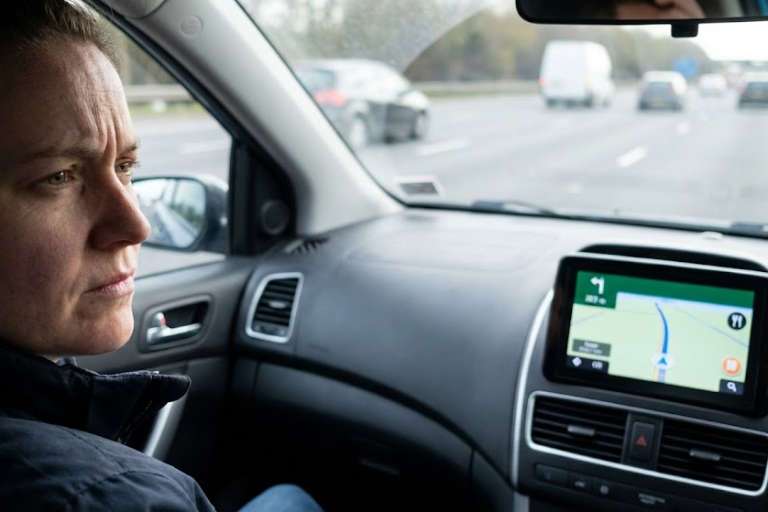
Help for anxiety about motorways, trains, planes or being far from home, especially the fear of feeling trapped or unable to get away.
Agoraphobia And Fear Of Going Out

Support when supermarkets, banks, cinemas, busy streets or even leaving the house have started to feel overwhelming or unsafe.
How Anxiety And Panic Show Up
Anxiety is not only a feeling in your head, it is also a set of patterns that creep into your days. You might notice that you are always anticipating the worst, replaying conversations or planning for every possible disaster. You might feel on edge, restless, tired but wired and as if you can never fully switch off.
Very often the body joins in. People describe a racing heart, shaky hands, jelly legs, a churning stomach, sweating, hot or cold flushes, a tight chest or feeling as if they cannot quite get a full breath. Sometimes this leads to worrying about your health, heart attacks, strokes or collapsing in public, even when your doctor has reassured you that tests are clear.
Anxiety also changes behaviour. It can make you pull back from things you used to do quite easily. You might find yourself turning down invitations, putting off travel, avoiding busy places or freezing when you need to speak up. Over time it can feel as if your world is slowly shrinking, even if on the surface everything looks fine.
If you recognise yourself in any of this, you are not alone and you are not weak. These are very common patterns, and they respond well to the kind of hypnotherapy and anxiety work we offer at The Surrey Institute of Clinical Hypnotherapy.
Related Problems, Ocd, Phobias And Toilet Anxiety
Some conditions sit very close to anxiety and panic, but they deserve their own space.
Toilet anxiety is a specialist area for our clinic. It involves a powerful fear of needing the toilet and not being able to get to one, often leading to avoidance of travel, meetings, queues or social situations. The way we treat toilet anxiety is quite specific, so it has its own hub and in depth information.
Obsessive compulsive disorder involves intrusive thoughts or urges and repeated behaviours such as checking, cleaning, counting or seeking reassurance. People with OCD usually know the rituals are not logical, yet feel driven to do them. Because the pattern is quite specific, we have a separate OCD page that looks at how hypnotherapy can work alongside or as an alternative to other approaches.
Phobias are intense fears focused on particular things or situations, such as flying, needles, spiders, driving, medical procedures or being sick. The reaction often feels out of proportion to the actual risk, but the physical fear is very real. We group these together and explore phobia treatment in more detail on our dedicated phobias page.
All three, OCD, phobias and toilet anxiety, are part of the wider anxiety family, but you will find more targeted information on their own pages, with treatment approaches that reflect the way they show up.
Why Hypnotherapy Can Help With Anxiety And Panic
When anxiety has been in your life for a while, it can start to feel as if nothing will change. You may have tried willpower, self help books, medication, breathing exercises or simply avoiding whatever makes you anxious. Some of these things can help a little, but they do not always shift the deeper pattern.
Hypnotherapy is particularly suited to anxiety and panic because it works with the part of the mind that runs automatic reactions. In a focused, relaxed state, you can begin to update the emotional learning stored in your nervous system, so that your body no longer reacts as if everyday situations are genuine threats.
During sessions, we help you experience a calmer response in your body while you imagine or gently approach the kinds of situations that usually trigger you. We also work on the beliefs that sit underneath the anxiety, ideas such as I cannot cope, something terrible will happen or people will think I am ridiculous, and help your mind take on more balanced, realistic views.
The goal is not to remove every trace of nerves from your life, that would not be human, but to bring your system back within a manageable range so that anxiety is no longer running the show. Many clients notice shifts quite quickly, especially when they are ready to practise new responses between sessions.
How We Work With Anxiety And Panic
When you come to see us about anxiety or panic, our first priority is to understand your story. We will ask how things began, what tends to trigger anxiety now, what you are already doing to cope and how it is affecting your life at home, at work and in relationships. We are interested in the bigger picture, not just one symptom in isolation.
Sessions are tailored to your situation and your temperament. Some people like clear explanations and a practical plan. Others prefer a more gentle, experiential approach. Either way, we will move at a pace that feels manageable and stay within your window of tolerance rather than pushing you into overwhelm.
Over time, the aim is for you to feel more in charge of your mind and body. That might mean being able to travel more comfortably, speak up at work, attend social events without dread or simply experience a quieter, kinder internal dialogue instead of constant what if thinking.
In Person And Online Support
We see clients in person at our clinic in Wallington in Surrey. The space is calm and welcoming, with easy access from surrounding areas. For many people with anxiety, travelling or being in new places can be difficult, so we also offer online hypnotherapy where this is a better fit.
Online work can be just as effective as in person sessions when it is set up properly. We will talk you through what is needed, such as a private space, headphones and a stable connection, and help you decide what feels right for you.
What Progress Can Look Like
Progress with anxiety and panic is often gradual, but it can be very meaningful. People may notice that intense spikes become less frequent, that anxious feelings settle more quickly after stress or that they feel less frightened by their own reactions. Family members sometimes notice that you have more energy, more patience or more capacity to join in again.
From your point of view, change might mean being able to travel more comfortably, feeling able to make plans without constant what if thinking or being less preoccupied with every sensation in your body. For some, it is about having fewer panic attacks. For others, it is about shrinking the amount of life that anxiety is allowed to control.
Hypnotherapy for anxiety and panic is not about creating a perfect, worry free life. It is about helping your nervous system find a calmer, more flexible way of responding so that you can get on with living, not just coping.
Taking The Next Step
If you are reading this because anxiety or panic are taking over your life, you do not have to work it all out on your own. You are welcome to contact us and talk through what has been happening. We can help you decide whether hypnotherapy for anxiety and panic is likely to be a good fit, what sort of approach we would take and how many sessions might be needed.
If you are not sure where to start, you can also browse our wider overview on our Problems We Help With page.
You do not have to wait until you feel completely worn out or desperate. Many clients tell us they wish they had asked for help sooner. If something on this page has sounded familiar, that is usually a sign it is worth having a conversation.