
Living with a struggling child or teenager can be heartbreaking. You see the tears, the anger, the shut bedroom door or the tummy aches before school and you know something is not right. At the same time, it can be hard to tell when a rough patch is just part of growing up and when it is time to get extra help.
Many parents who contact us have already tried lots of things. You may have spoken to school, adjusted routines at home, watched your child closely for months and still feel as if you are guessing. Sometimes you may have been told that your child is fine because they seem to be coping on paper, even though life at home tells a very different story.
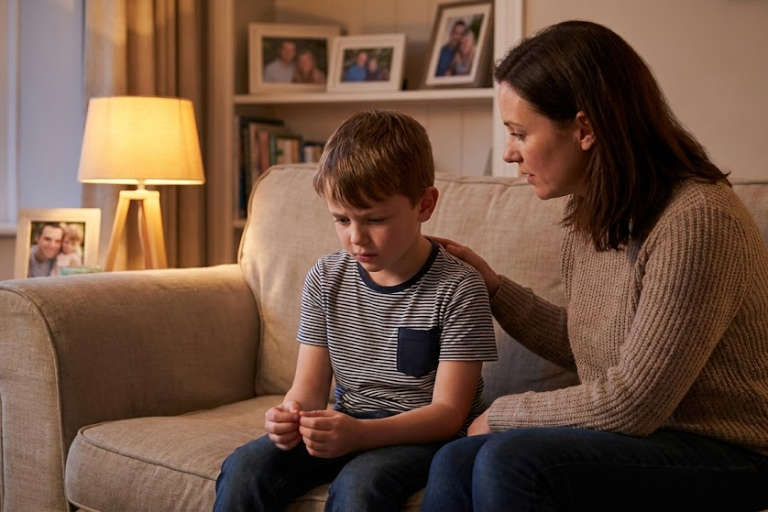
This page is here to give you a clearer sense of how we work with children and teenagers at The Surrey Institute of Clinical Hypnotherapy and the kinds of problems we can help with. You do not need a perfect label or diagnosis before you get in touch. What matters most is how your child is feeling and how it is affecting everyday life.
Common problems in children and teenagers
Families come to us for many different reasons and most young people have a mix of things going on rather than one neat label. These are some of the most common problems we help children and teenagers with at The Surrey Institute of Clinical Hypnotherapy.
Hypnotherapy For Children

If your child is stuck in a worry loop, battling sleep, or reacting big to everyday pressures, hypnotherapy for children can help. This page explains what to expect, and how we help change patterns in a calm, child-friendly way.
Anxiety and worry in children and teenagers

Worry about school, friends or being away from home can show up as tears, anger or avoidance. We help children and teenagers understand their anxiety and give them better ways to calm their mind and body.
Toilet anxiety in children and teenagers
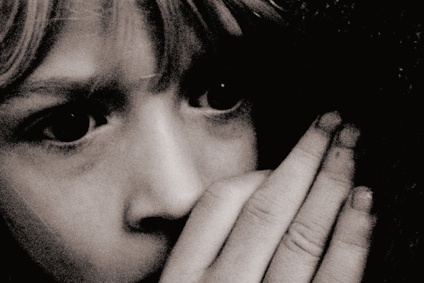
Some children become very focused on toilets, routes and exits, especially around school and journeys. We specialise in toilet anxiety and help young people break the loop between fear and bodily sensations.
OCD, rituals and intrusive thoughts in children

Checking, washing, repeating and scary thoughts can leave children feeling trapped and ashamed. We work gently with the emotional learning underneath OCD so rituals lose their grip over time.
School and exam stress

Pressure around tests, homework, school performance and the future can build up quietly. We help young people manage nerves, perfectionism and fear of failure so they can do themselves justice.
Sleep problems and bedtime battles
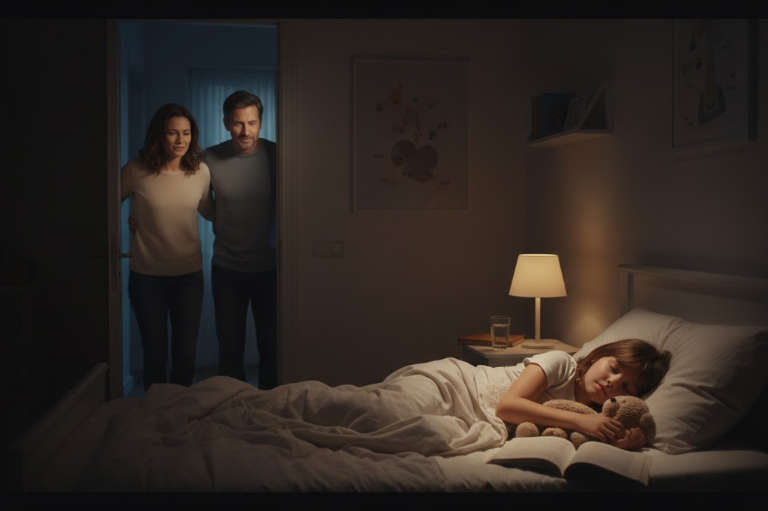
Struggles at bedtime or frequent waking can affect the whole household. We help children and teenagers feel safer in their own mind and body so drifting off and staying asleep becomes easier.
Tummy aches, headaches and physical symptoms

Regular tummy aches, headaches or other pains are often checked thoroughly by doctors, yet still linger. We help children whose symptoms are made worse by stress and worry, working alongside medical care.
How children and teenagers show their struggles
Children rarely walk into the room and say that they feel anxious and overwhelmed and would like hypnotherapy. Their distress often comes out sideways, through behaviour and through their bodies.
You might notice, for example, that your child seems more sensitive than usual, gets very upset over small things or pulls away from people they used to be close to. Tummy aches or headaches around school, problems getting to sleep or staying asleep and big reactions to small changes are also common signs that their system is under pressure.
Teenagers may spend more time in their room, change friendship groups quickly, drop hobbies that once mattered or see their school work slip even if they are still bright. Some start using gaming, food, social media or substances to cope with feelings they do not know how to manage. From the outside it can look like defiance or laziness. Underneath, there is usually a young person doing their best with a nervous system that feels overloaded.
Why hypnotherapy can be a good fit for young people
Children live in their imagination and are used to using it every day. They play, draw, daydream, act out stories and try on different roles as a normal part of growing up. That is one of the reasons hypnotherapy for children and teenagers can be such a natural way of working.
Rather than asking a child to sit and analyse every thought, we use stories, imagery and gentle hypnotic techniques to speak to the part of their mind that holds emotional learning. That is the part that decided, for example, that school corridors are dangerous, that their tummy must be checked constantly or that they have to get everything exactly right or something bad will happen.
Because children are already familiar with imagination and pretend, they often adapt and take on new patterns faster than adults. On average, a child may need around half the number of sessions that an adult would for a similar problem, although every situation is different and we will always tailor the plan to your child.
How we work with children and teenagers
When you bring a child for hypnotherapy, our first priority is safety and trust. We usually start by talking with you as the parent or carer, to get a clear picture of what has been happening and what you are hoping will change. Depending on age and confidence, your child may join that first conversation or come in a little later once the adults have set the scene.
Sessions are tailored to your child’s age and personality. A younger child might respond well to stories, drawings, simple metaphors and short periods of relaxed focus. An older child or teenager might prefer straight talking, problem solving and more grown up explanations of how the brain and nervous system work.
- Listen carefully to both you and your child
- Explain what hypnotherapy is in child friendly language
- Stay within your child’s window of tolerance rather than pushing too hard
- Keep you, as the parent, involved and informed without breaking your child’s trust
We do not use stage hypnosis tricks or anything that would make a young person feel silly or exposed. The aim is to help them feel more in control of their own mind and body, not less.
Working alongside parents
For most children and teenagers, the biggest changes happen when therapy and home life pull in the same direction. That is why hypnotherapy for children and teenagers at SICH almost always includes some element of parent support.
- Helping you understand what is happening underneath the behaviour
- Giving you practical strategies to respond differently at tricky moments
- Suggesting small changes in routine that support your child’s nervous system
- Checking in regularly so you can ask questions and share what you are noticing at home
Parents often tell us that simply understanding why their child reacts in certain ways makes it easier to stay calm and consistent. Therapy is not about judging your parenting or telling you everything you have done is wrong. It is about giving you and your child a clearer map and some new tools.
In person and online support
We see children and teenagers in person at our clinic in Wallington in Surrey. The space is calm and welcoming, with easy access from surrounding areas. For older teenagers, and sometimes for parents, online hypnotherapy can also be a good option, especially if you are further away or have difficulty travelling.
Online work for teenagers can be just as effective as in person sessions when it is set up properly. We will talk you through what is needed, such as a private space, headphones and a stable connection, and help you decide what feels right for your family.
What progress can look like
Change for children and teenagers is often gradual but very real. Parents might notice that battles over certain routines start to ease, that their child laughs more again, that school mornings are less fraught or that sleep comes more easily. Teachers sometimes feed back that a pupil seems more settled, more engaged or more confident in class.
From the child or teenager’s point of view, progress may mean feeling able to do things they had been avoiding, having fewer intrusive worries or rituals, finding it easier to calm down after getting upset or starting to see themselves as capable rather than broken.
Hypnotherapy for children and teenagers is not about creating a perfect, stress free life, that is not realistic for anyone. It is about giving them better ways to handle the challenges they face so they can get on with being children and teenagers, not full time problem solvers.
Taking the next step
If you are reading this because you are worried about a child or teenager in your life, you do not have to decide everything on your own. You are welcome to contact us and talk through what has been happening. We can help you work out whether hypnotherapy for children and teenagers is likely to be a good fit, what sort of approach we would take and how many sessions might be needed.
If you are not sure where to start, you can also browse our wider overview on our Problems We Help With page.
You do not have to wait until things reach breaking point. Many families tell us they wish they had asked for help sooner. If something in this page has sounded familiar, that is usually a sign it is worth having a conversation.