

On this page
- Hypnotherapy for children helps change thoughts, feelings And behaviours…
- We have a plan…
- Getting Help With Hypnotherapy for Children
- What Child Hypnotherapy Actually Means
- What We Use Hypnotherapy For Children To Help With
- Why Paediatric Hypnotherapy Can Work Faster Than Adult Work
- How We Use Hypnotherapy for Children At SICH
- What Hypnotherapy For Children Sessions Are Like
- Working Alongside Parents And Families
- How does hypnotherapy work with children?
- How Many Hypnotherapy Sessions Are Typical For Children
Hypnotherapy for children helps change thoughts, feelings And behaviours…
We have a plan…
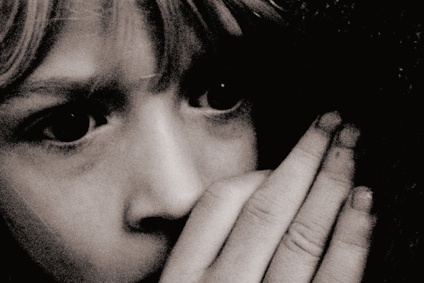
Find The Problem

Establish A New Behaviour
Make New Behaviour Automatic
Getting Help With Hypnotherapy for Children
If you are searching for child hypnotherapy, you are probably watching your child struggle with something that is starting to take up too much space. It might be worry and overthinking, tummy aches that flare up around school, sleep issues, confidence dropping, big emotions, or a pattern that keeps repeating no matter how many sensible conversations you have.
hypnotherapy gives us a child friendly way to work with the part of the mind that learns patterns quickly. We use imagination, stories, gentle focus, and practical emotional skills, so children can rehearse calmer responses and build new automatic habits. For many families it feels like a relief, less analysing, more change, and a clearer plan for what to do when things wobble.
You can also visit our children and teenagers page to see the wider range of issues we help with, and the specialist pages for specific problems.
What Child Hypnotherapy Actually Means
Hypnotherapy for children is adapted specifically for children and teenagers. It is not about making a child do anything, it is about helping them access the same natural skill they already use every day, imagination, absorption, and focused attention. That is why our hypnotherapy for children therapy can feel surprisingly natural for many children, it fits how their minds already work.
In practice, we often use guided stories, creative imagery, simple visualisations, and calm body based skills that help the nervous system settle. With teenagers we make it more collaborative and practical, still using the subconscious element, but without anything that feels babyish or awkward. The aim is always the same, help the brain stop firing off false alarms, and help new responses become automatic.
What We Use Hypnotherapy For Children To Help With
Parents usually find us because something is starting to affect day to day life, school attendance, sleep, friendships, confidence, or the atmosphere at home. Sometimes the issue has a clear label, sometimes it is more of a pattern, big reactions, physical symptoms, avoidance, and the sense that your child is stuck in a loop.
- Worry and anxiety including reassurance seeking, separation worries, social anxiety, and school based anxiety.
- Confidence and self esteem including performance nerves, fear of being judged, and avoiding challenges they used to cope with.
- Sleep and night time problems including difficulty switching off, bedtime battles, nightmares, and fear of the dark.
- Habits and unwanted behaviours such as nail biting, hair pulling, skin picking, or other repetitive coping behaviours.
- Physical symptoms with a stress link such as tummy aches, nausea, headaches, and nervous system driven symptoms that intensify around pressure.
- Life events and change including bereavement, family change, bullying, friendship breakdown, moving school, or confidence after a difficult experience.
If you already know the main issue, you might prefer to start on the relevant page in our children and teenagers hub, for example anxiety in children and teenagers. If you are not sure what label fits, this paediatric hypnotherapy page is a good place to begin.
We use hypnotherapy for children to help a wide range of problems
- Bedwetting (Enuresis)
- Nail biting
- Insomnia
- Divorce
- Hyperactivity
- Concentration issues
- Phobias
- Depression
- Anxiety
- Anger management
- Getting on with siblings
- Problems with new partners
- Exam nerves
- Eating issues
- Confidence
- Dyslexia
- Allergies
- Asthma
- Athletic ability
- Attitudes
- Compulsive behaviour
- Creativity enhancement
- Physical coordination
- Fear of medical people
- Friendlessness
- Grief and loss
- Headaches
- Illness
- Insecurity and lack of confidence
- Learning problems
- Low self-esteem
- OCD
- Memory problems
- Nervousness and nervous habits
- Nightmares and sleepwalking
- Pain
- Performance anxiety
- School problems
- Shyness
- Sleep disorders
- Speech difficulties
- Stealing
- Stress
- Suicidal thoughts
- Thumb-sucking
- Uncontrollable anger
- Toilet anxiety
- Weight issues
Why Paediatric Hypnotherapy Can Work Faster Than Adult Work
Children learn patterns quickly, which is part of the problem when worry, fear, or physical stress symptoms get conditioned in. The upside is that they can also unlearn and replace patterns quickly. Children live in their imagination and they are used to using it, which means hypnotherapy for children often feels less like therapy and more like a natural reset of how they respond.
On average a child will often need around half the number of sessions than an adult would for the same type of issue. That is not a guarantee, some situations are more complex, and teenagers vary a lot, but it is a common pattern we see clinically. The real goal is not endless sessions, it is helping your child become more confident in their own ability to handle thoughts, feelings, and situations that used to knock them sideways.
How We Use Hypnotherapy for Children At SICH
We use hypnotherapy for children in a practical, grounded way. That means we take the problem seriously, we respect the family context, and we work with both the conscious and subconscious parts of the pattern. Sometimes a child understands the logic, but their body still reacts. That is often where hypnotherapy for children helps, it works at the level where the reaction is learned.
Sessions might include calming skills, breathing and body regulation, reframing scary thoughts into something manageable, and gentle imagination work where the child practises a new response while feeling safe. If a child is dealing with a fear or avoidance pattern, we may also use gradual, supported steps that build courage without overwhelming them. Child hypnotherapy is not about forcing bravery, it is about teaching the nervous system that it can cope.
Historically, SICH has had strong links with the UK paediatric hypnotherapy community, including close involvement with the development of specialist training through TISPH (The International Society for Paediatric Hypnotherapists). Paul White (now retired), Paul Howard and Rob Woodgate were the founders of TISPH and still manage the profession body now. Several of our senior therapists are TISPH trained and are listed as paediatric hypnotherapists, which matters because this work is not the same as adult hypnotherapy with a few child friendly words added.
Hypnotherapy works amazingly well for children and we can help them to deal with over 100 issues. Our clinic is one of the foremost hypnotherapy clinics specialising with children. We offer a fast and effective treatment with virtually no waiting list. Most problems are resolved in just a few sessions.
What Hypnotherapy For Children Sessions Are Like
The first part of a session is usually about understanding what is happening in real life, what triggers it, what makes it better, and what your child is already doing to cope. With younger children we keep it light and clear, and we often use simple language that helps them make sense of what their brain and body are doing.
When we begin the hypnotherapy itself, many children experience it as a guided daydream, a story, or a relaxing adventure. There is no pressure to perform and no sense of losing control. Teenagers tend to prefer a more straightforward approach, so we keep it collaborative and relevant, focusing on what actually helps them feel more steady in the moments that matter.
A child’s life is full of discovery and of learning. But that discovery and learning can also be very stressful for children. Parents often forget this. While the parents are busy taking care of life’s events, they can sometimes lose sight of the effect that those events can have on their children. That is of course until an issue arises with the child.
Hypnotherapy for children is one of the most effective therapies, transforming children’s lives through visualisation, hypnosis and other imaginative methods. Hypnosis is rewarding, fast and unique.
Working Alongside Parents And Families
Hypnotherapy for children nearly always works best when parents are part of the wider plan. That does not mean you are doing anything wrong, it means you are the main environment your child returns to, and small changes at home can either support progress or accidentally keep the loop going.
We help you understand what is feeding the pattern, things like reassurance traps, avoidance routines, bedtime stand offs, or unhelpful pressure, and we give you practical ways to respond that still feel kind. The aim is to reduce overwhelm in the household, and help your child feel safer without needing the world to be reorganised around the problem.
If your child is also under medical care, or you are unsure whether symptoms need checking, we always encourage you to keep appropriate medical support in place. Hypnotherapy can sit alongside that, it is not an either or decision.
How does hypnotherapy work with children?
In most children, the imagination of a child is very vivid and strong. It is only the interference of well-meaning adults that the child’s imagination soon gives way to believing only what one can see and touch.
By using the active imagination of the child during hypnotherapy, it is relatively easy to reach the subconscious levels of the mind in a child. Children respond incredibly well to stories, visualisations, imaginative games and other simple tools.
Children have a great thirst for knowledge, often driving their parents round the twist with their curiosity and incessant questioning. At every opportunity, they hunger for new learning. They enjoy responding to new ideas that are presented to them in a way that they can understand. Their openness makes them especially good subjects for hypnotherapy. During hypnotherapy, they become relaxed and focused easily, and are happy to take on ideas that will help them to deal with any problems they are facing, and thus they can make changes more easily.
The paediatric hypnotherapist at the institute, Paul White, has helped many children increase their confidence, start to do their homework, go to school, and even improve their marks at school. He has also helped them with many other problems, like thumb sucking, bed wetting, nightmares, stealing, anger, aggression, and low self-esteem, separation anxiety, bereavement, food related problems and many other issues.
It is important for the child to feel comfortable with the hypnotherapist and that the hypnotherapist specialises in children.
Evidence And Research
Most of the strongest research on hypnosis with children sits in areas where outcomes are measurable and the intervention is structured, things like functional pain conditions and medical procedure related anxiety and distress. That matters because it moves the conversation away from hype and towards, where does this actually help, in real families, with real symptoms.
One of the best studied paediatric applications is gut directed hypnotherapy for functional abdominal pain and irritable bowel syndrome. A systematic review of randomised trials in children found hypnotherapy was consistently associated with greater improvement in abdominal pain than control treatments, with additional benefits reported in areas like quality of life and school attendance. PubMed
What’s also interesting, and more clinically relevant than a short term result, is whether changes hold. Follow up research in paediatric IBS and functional abdominal pain has looked at longer term outcomes after therapist delivered hypnotherapy versus structured home based hypnosis recordings, suggesting benefits can persist well beyond the initial treatment window. That does not mean recordings are “the same” as a skilled clinician, but it does support the idea that guided imagery and suggestion can create durable learning effects in some children. PubMed
There is also a solid evidence base around needle and procedure related pain and distress. A major Cochrane review of psychological interventions for needle related procedural pain in children includes hypnosis within the approaches assessed, alongside things like distraction and cognitive behavioural techniques, and overall it supports the idea that psychological methods can meaningfully reduce children’s distress during these procedures. Separate meta analytic work looking specifically at distraction and hypnosis for needle related pain and distress also supports beneficial effects, although, as always, the size of effect varies across studies and settings. Ovid+1
Finally, broader reviews and meta analyses across both mental and physical health applications report that hypnosis can show clinically meaningful effects, with some findings suggesting stronger outcomes in children and adolescents compared with adults in certain areas. That fits what many paediatric clinicians observe in practice, children tend to engage with imagery more naturally, and the learning can “stick” faster when the approach is pitched at their developmental level. Frontiers
How Many Hypnotherapy Sessions Are Typical For Children
Every child is different, and the right number depends on what is driving the issue and how long it has been going on. That said, paediatric hypnotherapy often moves more quickly than adult work. It is common to see noticeable shifts within three or four sessions for many anxiety and confidence related patterns, sometimes sooner, sometimes a little longer if the situation is more complex.
We will give you a realistic idea after the first appointment, once we have a clearer sense of the pattern. Our aim is always to help your child become more capable and resilient, not to keep them in therapy longer than is genuinely useful.
Frequently Asked Questions
Paediatric hypnotherapy can be suitable for many children and teenagers, as long as the approach is age appropriate and the child is willing to engage. Younger children often respond well because they naturally use imagination, while teenagers usually do best with a more collaborative and practical style. If you are unsure, an initial conversation helps us advise whether hypnotherapy is a good fit for your child’s age and situation.
Yes, hypnotherapy is generally gentle and non intrusive when carried out by an experienced, appropriately trained therapist. Children remain in control throughout. We explain what we are doing in clear, age appropriate language, and we keep the work practical and supportive. If there are medical symptoms involved, we also encourage appropriate medical input alongside the therapy.
Yes, parents are usually an important part of paediatric hypnotherapy. We normally begin with you in the room so we can build a shared picture of what has been happening, and so your child feels safe. Depending on age and preference, some of the hypnotherapy may be done with just the young person, but we will keep you updated and agree clear ways to support progress at home.
Every child is different, but hypnotherapy for children often shows results within a small number of sessions. For many patterns, especially anxiety, confidence, and nervous system driven symptoms, it is common to see meaningful shifts within three or four sessions. We will give you a clearer idea after the first appointment, once we understand what is driving your child’s specific situation.
That is very common, especially with teenagers. Paediatric hypnotherapy does not depend on them telling us every detail. We work at their pace, using explanations, stories, and imagery that feel less exposing than lots of direct questioning. Over time, as they feel safer and more in control, most young people find it easier to share what matters.
Yes, hypnotherapy can be used on children and has been proven effective in addressing various emotional and behavioural challenges that young people face. Unlike many traditional therapies, hypnotherapy is gentle, non-invasive, and tailored to suit a child’s unique needs. By using calming techniques and storytelling, hypnotherapy can help children manage issues such as anxiety, low self-esteem, phobias, and even sleep problems, all within a safe and supportive environment. Many children find the process enjoyable and relaxing, as it engages their imagination and natural curiosity.
If you recognise your child in what you have read here, you do not have to face it alone. Hypnotherapy can help children and teenagers feel safer, calmer, and more capable again, and it often helps parents feel less stuck too, because you finally have a clearer map of what supports change.
For a wider view of the issues we treat, you can return to the main problems we help with page.
To find out how we can help, you are welcome to contact The Surrey Institute Of Clinical Hypnotherapy for an initial conversation. We can talk through what has been happening, answer any questions you may have about paediatric hypnotherapy, and suggest a way forward that feels manageable for you and your child.