
If you are here, there is usually a reason, something has started to feel repetitive, automatic, and a bit too powerful. You might call it an addiction, a habit, a compulsion, a coping behaviour, or you might not even know what label fits. Either way, the common thread is that it stops feeling like a choice.
This page gives the bigger picture of how we approach hypnotherapy for addictions at The Surrey Institute of Clinical Hypnotherapy. It sits within our Habits And Addictions section. If you want the wider map of support across the whole site, you can always return to Problems We Help With.
And just to be clear, we are not interested in shaming you, lecturing you, or telling you to just stop. Most people who land on this page have tried stopping. The problem is not usually a lack of information, it is what happens in the moment the urge hits.
On this page
- When Something Stops Feeling Like A Choice
- Addiction, Habit, Or Coping Behaviour, The Label Is Not The Whole Story
- The Relief And Rebound Pattern
- Why Willpower Keeps Losing At The Exact Moment You Need It
- How Hypnotherapy For Addictions Helps
- What Sessions Are Like
- In Person And Online Sessions
- Evidence And Research
- A Note On Safety And Getting The Right Support
- FAQs
- Getting Started
When Something Stops Feeling Like A Choice
People often describe a very specific feeling, the behaviour happens before they have properly decided. It can be a drink, a bet, a line, a pill, pornography, compulsive spending, or something else entirely. The hands move, the app opens, the purchase is made, the bottle is poured, and then the thinking part arrives late and says, what am I doing.
That is one reason trying harder can feel useless. You can be completely sincere in the morning, you can swear you are done, you can mean it, and still find yourself pulled later. Not because you are weak, but because the automatic brain learned a fast shortcut, and it tends to run when you are tired, stressed, lonely, restless, or emotionally raw.
It is also why the outside world can misunderstand it. From the outside it can look like a straightforward decision. From the inside it often feels like urgency, pressure, tunnel focus, and relief chasing. Hypnotherapy for addictions is designed to work with the inside experience, the part that actually drives the repetition.
Addiction, Habit, Or Coping Behaviour, The Label Is Not The Whole Story
The word addiction can be useful, and it can also be a bit of a trap. Sometimes it describes physical dependence, sometimes it describes psychological dependence, and sometimes it becomes a heavy identity, like you have been stamped with something permanent. The NHS has a simple overview of what addiction means here, if you want a neutral definition.
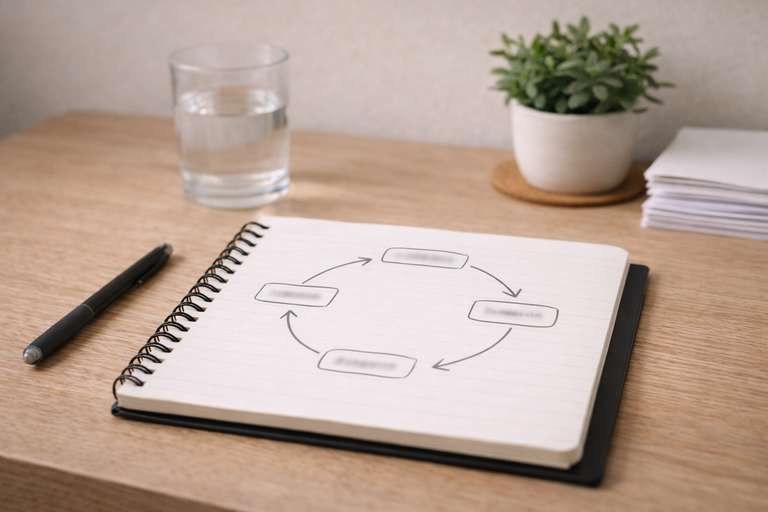
In practice, we often focus less on the label and more on the loop. What sets it off, what the behaviour does for you in the moment, what the rebound looks like, and what keeps restarting the cycle. Two people can have the same behaviour and completely different drivers, which is why one size scripts and generic pep talks often fail.
If you already know the main issue, you might prefer a more specific page. For example
- hypnotherapy to stop smoking
- hypnotherapy for alcohol problems
- hypnotherapy for gambling
- hypnotherapy for drug addictions
This page is the overview, the why this keeps happening layer.
And a quick note, if food is the main struggle, especially emotional eating and weight related patterns, those pages sit in our Eating And Weight section instead. There can be overlap, but it helps to start in the right place.
The Relief And Rebound Pattern
Many addictive patterns are not really about pleasure, at least not in the simple way people assume. They are about state change. Relief from tension, relief from flatness, relief from thoughts that will not switch off, relief from shame, relief from boredom, relief from your own body. Even excitement can be a form of relief, because it replaces numbness with something sharper.
Then the rebound arrives. Regret, anxiety, poor sleep, self criticism, panic about consequences, sometimes physical discomfort too. The rebound can be horrible, and this is the bit people do not talk about enough, the rebound becomes the next trigger. Your nervous system wants to escape the feelings created by the last round, so it pushes you back towards the same solution.
When you see the loop like that, it stops being mysterious. It still might feel hard, but it makes sense. Hypnotherapy for addictions often works best when it targets that loop directly, rather than trying to glue willpower on top of a system that is already running hot.
Why Willpower Keeps Losing At The Exact Moment You Need It
Willpower usually fails for boring reasons, timing, state, and habit learning. The urge does not politely arrive when you are calm, well rested, and feeling motivated. It arrives when you are stressed, tired, wound up, lonely, fed up, or you have just had a hit of shame, in other words, when your decision making brain is not at its best.
Urges are also not just thoughts. They are body states. Pressure, restlessness, urgency, a tightening in the chest, a buzzing under the skin, a sense that you have to do something now. When someone says it felt like I could not not do it, that is often what they mean.
So the aim is not to turn you into a saint. It is to reduce the urgency response, loosen the cue driven reflex, and rebuild the part of you that stays present when the trigger appears. That is where hypnotherapy can be surprisingly practical.
How Hypnotherapy For Addictions Helps
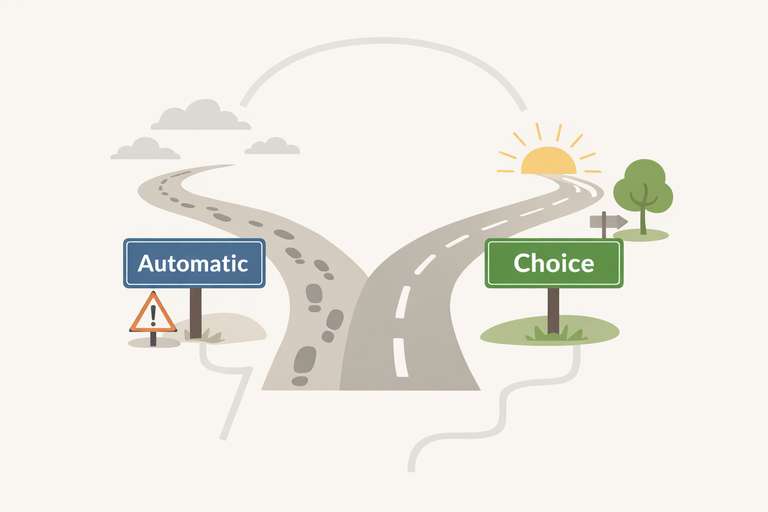
Hypnotherapy is a way of working with the automatic part of the mind, the part that runs learned associations, habits, urges, and the it just happens feeling. It is not about forcing you, and it is not mind control. The point is to change what your nervous system predicts will help, so the urge itself reduces and your thinking stays online.
In hypnotherapy for addictions we often work on the cue chain, the first trigger that starts the slide, the relief expectation, the meaning you have attached to the behaviour, and the rebound state that pulls you back. We also pay attention to identity beliefs, because they quietly keep people stuck. Things like, I always fail, I cannot cope without this, this is just who I am. Those beliefs can feel like truth when you are exhausted, but they are often learned, and they are changeable.
Sometimes the work is also about building tolerance. Not tolerance for suffering, but tolerance for the uncomfortable state that usually makes the behaviour feel necessary. If your system can ride out that state without panicking, the behaviour loses its grip.
People often expect help with addictions to be stern. In reality, shame is one of the main fuels of the loop. So the tone matters. We are aiming for steady change that holds up under real life pressure.
What Sessions Are Like
We start by mapping your pattern. Not morally, practically. When does the urge hit, what tends to happen just before, what does the behaviour do for you in the moment, and what does the rebound look like afterwards. That map matters because it tells us what the behaviour is doing for you underneath.
Then we build the hypnotherapy around that. Some people need help calming a constant stress response. Some need help with impulsive just do it moments. Some are chasing numbness. Others are chasing excitement because everything else feels flat. There is no point pretending it is one thing for everyone.
We also talk honestly about goals. Some people want to stop completely. Others want to cut down or regain control. Sometimes cutting down is realistic. Sometimes it keeps collapsing into the same loop, and stopping fully for a while is actually simpler. We will not push you into a decision, but we also will not pretend that every option is equally easy for every pattern.
If you are not sure which direction you want yet, that is fine. A lot of clarity shows up once the loop is understood properly, and once the shame drops a little.
In Person And Online Sessions
We see clients in person at our clinic in Wallington in Surrey. Some people prefer face to face sessions because it feels more containing, and because it helps them step out of the environment where the habit usually runs.
Online hypnotherapy can also work very well, especially if privacy and travel are difficult. When it is set up properly, quiet space, headphones, stable connection, it can be just as effective as in person work. We will talk you through the setup so it feels straightforward rather than stressful.
Whether we work online or in person, the aim stays the same, practical hypnotherapy for addictions that targets the loop and helps you feel more choice again.
Evidence And Research
The research on hypnotherapy for addictions is real, but it is uneven. Smoking cessation has the largest body of published work, with mixed findings and ongoing debate about how much benefit hypnotherapy adds compared with other approaches. For alcohol use disorder and behavioural addictions like gambling, there are fewer trials, but there is published work looking at hypnotherapy as a stand alone intervention and as an add on to CBT style treatment.
If you want to explore the research directly, these are useful starting points.
- Frontiers in Psychology (2024), Hypnotherapy compared to cognitive behavioural therapy for smoking cessation (group programme comparison): https://www.frontiersin.org/journals/psychology/articles/10.3389/fpsyg.2024.1330362/full
- PubMed (systematic review), Hypnotherapy and smoking cessation evidence overview (2025): https://pubmed.ncbi.nlm.nih.gov/39773364/
- Brain Imaging and Behaviour (2020), Neural mechanisms of hypnosis effects on smoking craving (PubMed record): https://pubmed.ncbi.nlm.nih.gov/31028603/
- Alcohol use disorder (2019), hypnotherapy compared with motivational interviewing, full text PDF: https://munin.uit.no/bitstream/handle/10037/18020/article.pdf?isAllowed=n&sequence=3
- PMC (2023), hypnosis group intervention with substance use outcomes measured in a large trial context: https://pmc.ncbi.nlm.nih.gov/articles/PMC10524362/
If you are skimming, a fair summary is that hypnotherapy tends to look most promising when it targets cravings, cue chains, stress regulation, and relapse triggers, and when it is properly integrated into a wider change plan rather than treated as a single magic switch.
A Note On Safety And Getting The Right Support
This matters, because the word addiction covers a lot. Some patterns are mainly learned urge loops. Others also involve physical dependence, withdrawal risks, or wider safety concerns. If you are drinking heavily, using certain drugs regularly, or you suspect withdrawal could be medically risky, it is important to involve appropriate medical support alongside any therapy work.
If you want a straightforward NHS starting point for drug support routes, there is a practical overview here. Hypnotherapy can still be part of a wider plan, supporting cravings, stress regulation, relapse triggers, and the belief layer that keeps the loop alive, but it should not be the only layer when risk is high.
Being realistic about safety is not pessimism. It is good judgement, and it is often what makes change more stable.
FAQs
Hypnotherapy for addictions works with the automatic loop, the part of you that runs the urge, the relief expectation, and the “it just happens” feeling. We map your cue chain, what sets it off, what the behaviour does for you in the moment, and what the rebound looks like afterwards. The aim is to reduce the urgency, loosen the trigger response, and keep your thinking online at the exact moment you normally lose choice.
No. Clinical hypnotherapy is not about forcing you, and it is not mind control. You remain aware and in control, and we work collaboratively. The aim is to help your nervous system learn a different response to the triggers, so the urge reduces and your decision making stays available.
Not always. Some people want to stop completely, others want to cut down, regain control, or stop for a period while they reset. We will talk it through realistically, because some patterns respond to moderation and some keep collapsing back into the same loop. Clarity often improves once the cue chain is mapped properly.
That is very common. Cravings are often body states, pressure, restlessness, urgency, and tunnel focus, not just thoughts. Hypnotherapy for addictions can work directly with that state, lowering the internal alarm response and changing what your system expects will bring relief, so the physical urgency reduces rather than building until it tips into action.
It varies, because the drivers vary. If it is a fairly contained habit loop with clear triggers, change can be quicker. If the behaviour is tied to long term stress, trauma, or strong identity beliefs, it can take longer. We usually get a clearer sense after the first session once we have mapped the cue chain properly.
Yes, and for some situations that is exactly the right approach. If you are in a programme, under medical care, or getting specialist addiction support, hypnotherapy for addictions can work alongside it, focusing on cravings, trigger moments, emotional regulation, sleep, and relapse prevention patterns. If withdrawal risk is a concern, that needs medical supervision, we do not replace that.
Yes. We work in person in Wallington in Surrey, and we also offer online sessions. With a quiet space, headphones, and a straightforward setup, online hypnotherapy can be just as effective as in person work for many people.
Getting Started
If you already know the main pattern, you may find it easier to begin with a specific page inside our Habits And Addictions section. If you are not sure what to call it, or it shows up in different ways, starting here is fine, we will help you map it properly.
If you would like to talk it through, you are welcome to contact us for a calm first step. You do not need the perfect words, you just need a starting point. You can reach us via our contact page here, Contact Us.
And if you want to step back and see the wider picture across the clinic, the main map is Problems We Help With.