
If you’re thinking, I hate that I still smoke, and I cannot seem to stop, you’re in the right place. Most people do not fail because they do not want it enough. They fail because the urge arrives like a reflex, and it hijacks the moment.
“I keep telling myself I will quit smoking, then the urge hits and I do it again.”
This page explains how we approach hypnotherapy to stop smoking at The Surrey Institute of Clinical Hypnotherapy. We also touch vaping, because for many people it is the same loop in a different wrapper, relief first, then rebound, then the next urge.
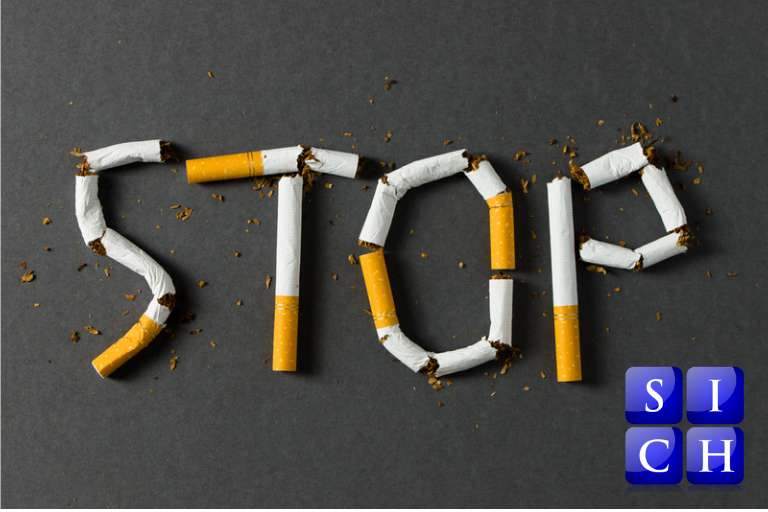
If you’re not sure where you fit, start here.
This sits within our Habits And Addictions section, where we focus on patterns that have become automatic. If you want the wider map of support, you can return to the main Problems We Help With page at any point.
We keep this focused. It’s about hypnotherapy to stop smoking, not a lecture, and not a morality story. No shaming, no “just stop”. We’re interested in what your nervous system has learned, why the urge hits when it does, and how to retrain that pattern so your choice comes back online.
Why Quitting Feels So Hard
The hardest part is rarely the information. Everybody knows smoking is bad for them. The problem is the timing, the urge does not politely arrive when you are calm, well rested, and full of motivation. It arrives when you’re stressed, flat, restless, annoyed, overwhelmed, or you just want five minutes where your brain stops.
That’s why willpower can feel like it evaporates. In the moment, the body is asking for relief, and the brain reaches for the fastest learned switch. If your system believes nicotine equals calm, focus, or a break from feeling too much, it will keep pushing you back towards it, even when the logical part of you is saying, I do not want this anymore.
The Relief And Rebound Loop
A lot of smoking patterns are not really about liking smoking that much. They are about relief. If your baseline stress level is high, your system will hunt for an off switch. Nicotine can become that switch, and vaping can do the same job.
The trouble is, it tends to create a rebound. Sleep disruption, anxiety spikes, irritability, a low mood dip, and that slightly wired feeling where you cannot settle. Then the urge shows up again, not because you are weak, but because the nervous system is trying to take the edge off the very state the habit keeps creating.
In hypnotherapy to stop smoking we often work on that relief and rebound loop directly, so the nervous system learns calmer ways to settle without needing nicotine as the regulator.
Smoking, Vaping, And The Automatic Brain
If you’ve ever found yourself lighting up, or reaching for a vape, without feeling like you made a proper decision, that’s the automatic brain doing what it was trained to do. It is cue driven. Time of day, finishing a meal, getting in the car, stepping outside, that first stressful email, that after work exhale, they become triggers that run the programme.
When people say, it’s like my hands do it before I have thought, they are not being dramatic. The behaviour has become procedural. Hypnotherapy to stop smoking aims at the procedural part, not just the logical arguments. Because you can know all the reasons, and still be pulled back when the cue arrives.

How Hypnotherapy Helps You Stop
Hypnotherapy is a practical way to work with the learned links underneath urges. In a focused, relaxed state, the brain is more open to updating what it predicts will help. That can mean reducing the sense of urgency, lowering the internal pressure, and changing the meaning your mind has attached to smoking or vaping.
We also work on the identity layer, because it matters. If a part of you believes, I always fail, I cannot cope without it, or I’m just a smoker, that belief quietly keeps the behaviour alive. Hypnotherapy to stop smoking is often about separating you from the habit, and rebuilding trust that you can handle discomfort without reaching for nicotine.
This is not mind control, and it is not about forcing you. You stay you. The aim is that the urge reduces, the cues lose their grip, and your thinking stays online when it matters.
Evidence And Research
The evidence base for hypnotherapy in smoking cessation has been reviewed in the scientific literature, including systematic reviews that compare hypnosis with other approaches. One example is the Cochrane review by Barnes and colleagues, Hypnotherapy for smoking cessation, which discusses the current limits of the evidence and what higher quality research would need to show.
For vaping, the research landscape changes quickly. Cochrane regularly updates its review on e cigarettes for smoking cessation, Electronic cigarettes for smoking cessation, which summarises the current evidence on effectiveness and safety signals.
What Sessions Are Like
We start by mapping your pattern. Not in a moral way, in a practical way. When do you smoke or vape, what tends to happen just before, what does it do for you in the moment, and what does the rebound look like afterwards. That map matters because the hypnotherapy needs to match the function of the behaviour.
Some people are using nicotine to manage stress and overwhelm. Some are using it to push through fatigue. Some are trying to quiet a busy mind. Others are chasing a break from boredom or low mood. We tailor the work to what is true for you, rather than using a one size script and hoping.
A More Visual Way To Compare Approaches
This is a simple way to see why hypnotherapy to stop smoking focuses on the loop, not just the rule of “do not do it”.
| When It’s Mainly Willpower | When The Loop Is Retrained |
|---|---|
| You fight urges when they hit | Urges reduce because the cue loses power |
| You rely on motivation staying high | You build a calmer baseline so motivation is not the only fuel |
| Stress triggers smoking or vaping automatically | Stress triggers a different, steadier response |
| A slip feels like failure, so shame grows | A slip becomes information, so the plan gets sharper |
| You feel like part of you is missing | You feel more like yourself again, without needing nicotine |
Frequently Asked Questions About Hypnotherapy To Stop Smoking
No. Clinical hypnotherapy is not mind control. You stay you, you can hear what is being said, and you can choose how you respond. Hypnotherapy to stop smoking is about changing the automatic pattern that kicks in around cues and urges, so you feel more control, not less.
It depends on how long the pattern has been running, and what is driving it. Some people notice shifts quickly once we target the relief and rebound loop. Others need longer if stress, overwhelm, or long standing habits are feeding the urges. We’ll give you a realistic sense of timing after the first session, the aim is effective hypnotherapy to stop smoking, not an open ended process.
Yes. For many people vaping is the same urge loop, just easier to repeat and easier to hide. We still work with the same drivers, stress relief, cue triggers, rebound anxiety, and that compulsive reach. Hypnotherapy to stop smoking often translates well to vaping, because the mechanism is about retraining the automatic response, not arguing with yourself.
That does not rule you out, it usually just means the loop is well learned. We treat past attempts as useful information. What triggered the return, what was happening in your life, what did smoking or vaping do for you in that moment. Hypnotherapy to stop smoking becomes much more effective when we stop treating it as a character flaw, and start treating it as a pattern with predictable drivers.
Getting Help To Stop Smoking
If you recognise yourself in this, you do not have to keep fighting it alone. Hypnotherapy to stop smoking is about reducing the pull of the habit, not white knuckling your way through every urge until you break.
For the wider picture of how we help with habit patterns, you can return to our Habits And Addictions page.
To find out how we can help, you are welcome to contact The Surrey Institute of Clinical Hypnotherapy for an initial conversation. We can talk through what has been happening, answer questions, and suggest a practical next step that feels manageable.