
Habits And Addictions are not always about one single fear or one single symptom. They are often about repetition, the same loop playing out again and again.
You find yourself doing the same thing again, even when you’ve promised yourself you won’t. Sometimes it’s an addiction. Sometimes it’s a habit, a compulsion, or a coping behaviour that has become sticky. Either way, it can start to feel like you’re wrestling with your own brain.
This section is here for habits and addictions, the loop where an urge builds, you get a burst of relief, then regret lands afterwards, and the whole thing starts again. We are not interested in shaming you for the behaviour. We are interested in why it became the default, and how to help it change.
If food is the main struggle, especially emotional eating and weight related patterns, those pages sit in our Eating And Weight section instead. You can always come back here if it turns out the habits and addictions piece is the bigger driver.
You can also return to our main Problems page here, Problems We Help With.
Specific Problems We Help With
Habits and addictions show up in different ways. Some people want help quitting something specific, others want to get back a sense of choice, and some just want to understand why the loop keeps winning. The cards below take you to the most common routes people explore with us.
The Bigger Pattern Behind Habits And Addictions
Not sure what to call it, just know something has got a hold of you. Start here for a plain English overview and the right next step.
Stop Smoking
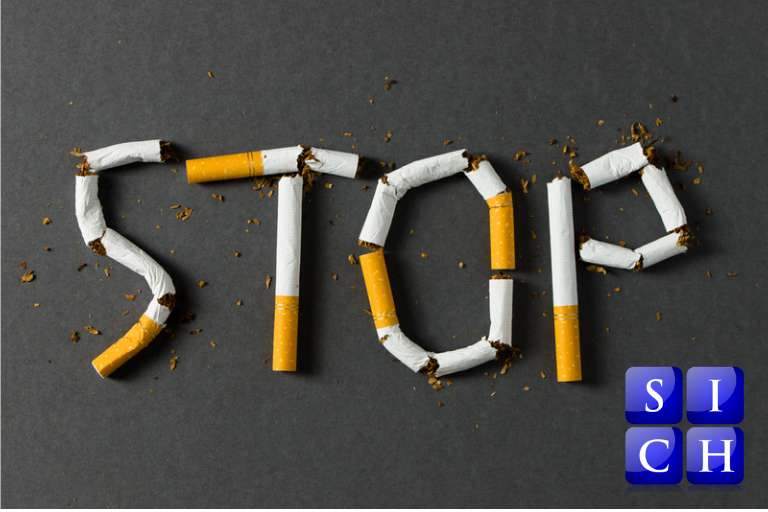
If you’re fed up with the stop, start cycle, this is a calm place to begin. Learn how hypnotherapy can reduce cravings and make quitting feel more doable.
Alcohol, Cutting Down Or Stopping

Whether you want to stop completely or regain control, this page explores why alcohol becomes a default coping tool, and how to change the pattern.
Gambling And Compulsive Risk

Gambling urges can feel oddly automatic, like your brain is chasing relief more than money. Explore support that targets the loop, not just willpower.
Drugs And Substance Misuse
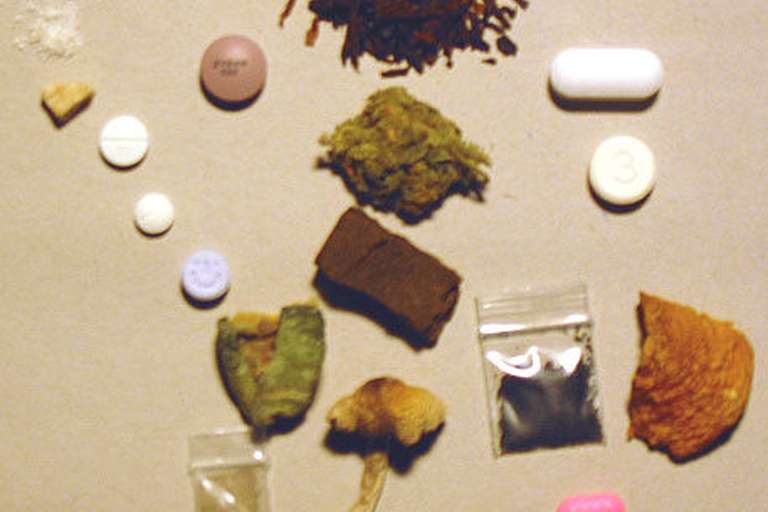
When a substance becomes the quickest way to switch off stress or feelings, change can feel hard. This page outlines a supportive route back to choice.
Nervous Habits And Compulsions

Nail biting, skin picking, hair pulling, these habits often run beneath awareness. Learn why they stick, and how to interrupt the pattern gently.
Where To Start With Habits And Addictions
If you already know what the behaviour is, you can go straight to the most relevant page above. The card titles are deliberately simple, they are there to help you choose quickly without overthinking it.
If you feel torn, for example part of you wants to stop and part of you panics at the thought, start with the page that feels closest to the real struggle. You do not have to get the label perfect on day one. With habits and addictions, the label is often less important than the loop.
If you are not sure what to call it at all, or the pattern shows up in different ways, begin with our main addictions page. It gives you the bigger picture of how these loops form, and why some approaches help for a week then fall apart.
What Hypnotherapy Is Aiming To Do
Hypnotherapy is not about forcing you to stop. If it was that simple, you would already be done. The point is to work with the automatic part of the mind, the bit that runs habits, urges, emotional associations, and the “it just happens” feeling.
The aim with habits and addictions is to reduce the internal pressure that drives the behaviour, loosen the automatic response, and rebuild the sense that you have genuine choice again. For some people that means cravings reduce. For others it means triggers stop feeling so loaded, so the behaviour is no longer the quickest escape route.
At The Surrey Institute of Clinical Hypnotherapy, we keep it practical. We work on the loop itself, what sets it off, what the behaviour is doing for you underneath it all, and how your mind and body can learn a different way to settle, cope, or switch state.
What Habits And Addictions Have In Common
A lot of people assume they have a willpower problem. In reality, habits and addictions are usually a learning problem, plus a stress problem, plus a relief problem, all tangled together. The brain learns fast when something changes your state quickly.
Over time, the behaviour starts to fire before you have properly chosen anything. That is why you can be fully sincere when you say “I will not do it again” and still find yourself doing it. It is not that you are weak. It is that your nervous system learned a shortcut, and it can learn a different one.
A Note On Safety With Habits And Addictions
Most people who come to us are not looking for drama. They are looking for steady change. Still, it is worth saying clearly, some patterns involve physical dependence, withdrawal risks, or safety concerns.
If you are worried about withdrawal or medical risk, it is important to involve appropriate medical support alongside any therapy work. You can also browse our wider overview on our Problems We Help With page.
Hypnotherapy can still be part of a wider plan, but it should not be the only layer of support when the risk level is high. With habits and addictions, being realistic about safety is not pessimism, it is good judgement.