
Emotional eating can feel like it has a mind of its own. You can be doing fine, then something shifts and comfort eating takes over, not hunger, just a need for relief.
If you want the full overview of how we support change around food and weight, start with Hypnotherapy For Weight Loss. This page is narrower, it focuses on emotional eating patterns, shame, guilt, self soothing, and the all or nothing rebound.
You can also browse the wider section here, Eating And Weight.

What Emotional Eating Is
Emotional eating is rarely about a lack of information. Most people already know what they “should” do, and that is part of what makes emotional eating so frustrating. In practice, emotional eating is usually a learned regulation strategy, your system has discovered that food changes state quickly, and it will reach for that when it needs comfort or relief.
That is why emotional eating often shows up at predictable times, evenings, after pressure, after social effort, after feeling criticised, or when you finally stop and the nervous system realises how hard it has been running. Comfort eating is not always about taste, it is about settling something that feels unsettled. Once you see that clearly, emotional eating starts to make a different kind of sense, even if you still want it to change.
The Comfort Eating Loop
Comfort eating often behaves like a loop rather than a choice. Something triggers discomfort, stress, shame, tiredness, frustration, loneliness, boredom, or that restless feeling of not being able to settle. Then comes the urge, then the eating, then the shift. The shift might be comfort, numbness, or relief, people rarely describe it as joy, it is more like, I can breathe again.
Then the second half arrives. The self talk, the guilt, the private shame, the promise to “sort it out tomorrow”. And because guilt is uncomfortable, it becomes the next trigger. That is how emotional eating starts to feel automatic, and why comfort eating can happen even when you genuinely do not want it to.
Shame, Guilt, And The Inner Pressure
Shame and guilt are not just what happen after emotional eating, they often become part of what drives it. Shame creates pressure. Pressure makes the nervous system look for relief. Food is fast relief. Then the shame returns, and the comfort eating loop tightens. This is why self punishment can feel like you are taking it seriously, while quietly making emotional eating harder to shift.
There is also a softer version of the same pattern, the belief that you have to earn kindness by being perfect. If that sits underneath emotional eating, the brain tends to swing between strict control and secret relief. People often describe it as living with rules, then breaking the rules, then hating themselves for it. That is not a moral failure, it is a pressure system that can be changed.
The All Or Nothing Rebound
All or nothing thinking is common with emotional eating. It sounds like, I am either being good or I have failed. So one wobble becomes a big story, I have ruined it now, I might as well carry on. That story does not just describe what happened, it creates the emotional load that triggers more comfort eating.
The rebound can be surprisingly predictable. Strict rules increase pressure. Pressure builds up. Eventually the system looks for release, and emotional eating becomes the release valve. Then the guilt arrives, and stricter rules return. If you recognise this cycle, the goal is not perfection, it is lowering the internal threat level so the need for relief reduces.
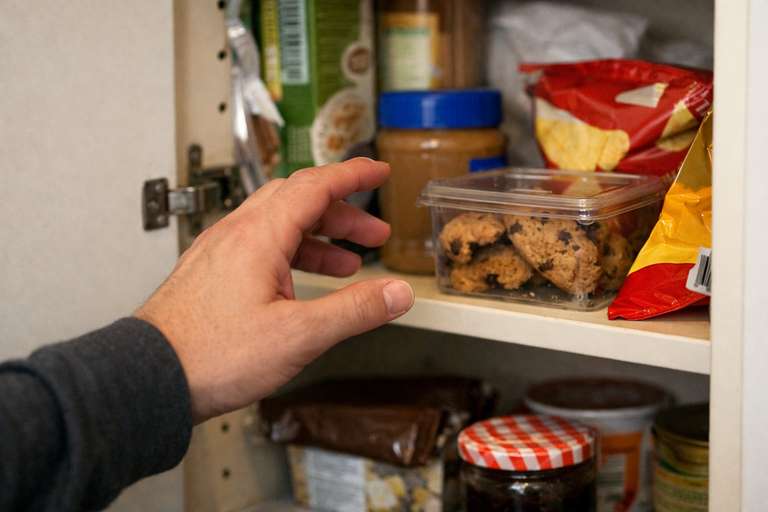
Why Emotional Eating Can Feel Like Autopilot
Many people describe emotional eating like autopilot, not a formal trance, just that “I am watching myself do it” feeling. That usually means the habit is being run by the automatic brain, the part that links cues with relief. If the cue is stress and the relief is comfort eating, the brain learns the shortcut quickly, and it will replay it when you are tired or overloaded.
This is why logical advice can bounce off. You can know exactly what you want to do and still do the old thing, especially when you are depleted. Shifting emotional eating usually involves working at the level where the programme is running, not just arguing with yourself right at the end of the day.
How Hypnotherapy Helps With Emotional Eating
Hypnotherapy is not about forcing you to hate certain foods, or trying to shame you into discipline. Emotional eating usually exists for a reason, it has been doing a job. We work with the drivers under the surface, the triggers, the inner pressure, the guilt spiral, and the comfort eating loop that keeps rebuilding itself after you have promised you will stop.
In sessions we focus on creating steadier choice at the point where emotional eating usually takes over. That often includes reducing the emotional charge, building self soothing options that are not food based, loosening all or nothing thinking, and rebuilding self trust. When the nervous system feels safer, comfort eating tends to lose its grip, and emotional eating starts to feel less automatic.
Evidence And Research
A useful way to understand emotional eating is to treat it as an emotion response, not a willpower problem. Macht’s five way model lays out several pathways, including eating to regulate emotions and the way stress can impair cognitive control around food, which maps closely to how comfort eating often shows up in real life: How Emotions Affect Eating, A Five Way Model (Macht, 2008).
Research also highlights how shame and guilt can sit inside the pattern itself, not just after it. A qualitative study on emotional eating and weight regulation describes how people experience the loop, including the emotional fallout and the self regulation attempts that sometimes backfire, which helps explain the all or nothing rebound many people recognise: Emotional Eating And Weight Regulation (Frayn, Livshits, Knäuper, 2018).
Evidence on hypnosis for weight related change is mixed, and it seems most promising when used as an add on to structured behavioural approaches, rather than as a stand alone fix.
A meta analysis focused on adding hypnosis to CBT for weight loss concluded any benefit is likely small on average: Hypnosis As An Adjunct To Cognitive Behavioural Psychotherapy For Weight Loss (Allison et al., 1996). More recent work has explored audio self hypnosis approaches in weight loss support, which is relevant if you like the idea of practising between sessions: Audio Self Hypnosis To Promote Weight Loss (Antoun et al., 2022).
How Many Sessions Do People Usually Need
It depends on how entrenched the emotional eating pattern is, and whether comfort eating is mainly about stress relief, self soothing, long standing shame, or a mix of all three. Some people feel a shift in a few sessions because the pattern is specific and the triggers are clear. Others need longer because emotional eating is woven into identity, routine, or a history of strict dieting and rebounds.
A practical way to think about it is this, we want you to notice the start of emotional eating earlier, calm the inner pressure, and make a different choice without white knuckling it. Once that happens, comfort eating becomes occasional rather than automatic, and emotional eating no longer runs the day.
A Calm Next Step
If emotional eating is wrapped up with shame and guilt, it can feel surprisingly hard to talk about. People often worry they will be judged, or told to just be disciplined. That is not how we work. We focus on the pattern, the triggers, and the comfort eating loop, then we help you shift it in a way that feels steady and realistic.
If you want the main overview and the wider route we use with clients, start here, Hypnotherapy For Weight Loss. If you are following a diet plan and the hard part is sticking to it consistently, you may also want Diet Support.
We offer sessions in person and online. Some people prefer face to face because it feels more contained. Others prefer online because it fits real life better. What matters most is that you feel safe enough to be honest about what triggers emotional eating, and what you actually need in those moments.
If exercise has become tangled up with emotional eating, especially exercising to “earn” food or punish yourself afterwards, you may find this useful: Exercise Has No Connection With Weight Loss. If you want a more structured appetite and portion focused approach later on, you can also explore Hypnotic Gastric Band.
Frequently Asked Questions
Not always. Emotional eating is a pattern where food becomes a regulation tool, often linked to stress, shame, tiredness, or low mood. Some people also have an eating disorder, and if you think that might apply, it is important to involve your GP and the right clinical support. For many people, emotional eating sits in the middle ground, it is distressing, but it can improve once the comfort eating loop and the guilt spiral are addressed.
Evenings are when the pressure often drops, and the nervous system finally notices how tense or depleted you are. Emotional eating can become a way to downshift quickly. If you have been running on strict rules all day, the rebound can also be more likely at night. We work on reducing the build up, and changing what your system reaches for when it wants relief.
It can help, especially when the craving is really an emotional eating urge, a need for comfort, relief, or switching off. We focus on the comfort eating loop, the trigger, the inner pressure, then the relief seeking response. As the trigger response changes, emotional eating cravings often reduce and the sense of choice comes back.
That is very common. Emotional eating often rises when the nervous system is overloaded, and comfort eating becomes the quickest way to shift state. In that situation we do not try to remove food first, we work on reducing the pressure and changing how you soothe. If low mood is significant or persistent, it is also sensible to speak with your GP alongside any hypnotherapy support.
Yes, online sessions can work very well for emotional eating, especially when you can be in your own familiar environment. The key is privacy, headphones if possible, and a stable connection. The work is about shifting the comfort eating loop and reducing guilt and pressure, those mechanisms do not require you to be in the same room, they require good guidance and a safe space.