
Public speaking anxiety is not just fear of speaking. It is the fear of being exposed at the exact moment you need your mind, voice and body to work for you.
You may know your material. You may have practised carefully. Yet as soon as the moment gets close, your body can start behaving as if something dangerous is about to happen. Your mouth dries, your heart races, your voice feels less reliable, your thoughts scatter, and the room can suddenly feel much bigger than it did a minute ago.
At The Surrey Institute of Clinical Hypnotherapy, we help people change the automatic anxiety pattern behind presentation nerves and public speaking anxiety. The aim is not to turn you into a performer, or give you a polished speaking persona. It is to help your nervous system stop treating visibility as danger, so your own voice, judgement and personality have more room to come through.
For the wider treatment approach, see Hypnotherapy for Anxiety.

What is public speaking anxiety really about?
Performance nerves become a problem when the moment you need to be clear, present and capable is the moment your body starts acting as if you are in danger.
For many people, the fear is not simply the talk itself. It is the judgement, the visibility, the silence before you begin, the eyes on you, the possibility of going blank, or the dread that other people might notice your symptoms before they notice your message.
That is why public speaking anxiety can feel so personal. It can touch your voice, your memory, your face, your breathing, your confidence and your sense of authority. It can make a capable person feel strangely unsafe in their own body.
The fear is not only of speaking. It is the fear of being seen struggling while everyone is looking.
Before long, you may start arranging your working life, social life or ambitions around avoiding the moments where you might be exposed.
Common patterns include performance pressure, fear of judgement, fear of visible symptoms, fear of going blank, over-rehearsal, mental checking, rushing, avoidance of opportunities, and a loss of trust in your voice, body or memory.
Why changing public speaking anxiety matters
Public speaking anxiety can quietly decide what you say yes to. It can affect promotions, interviews, teaching, leadership, networking, wedding speeches, meetings, pitches and moments where you want to be taken seriously.
We have helped people speak in boardrooms, at weddings, in community settings and even on the TV programme ‘Dragons Den‘. The practical goal is not to make you loud, polished or performative. It is to help you feel steady enough that your message, judgement and personality can come through.
Why does your body react as if speaking is dangerous?
When public speaking anxiety takes hold, the body can begin to treat attention as threat. The room, the faces, the pause before you speak, or the first few words can become triggers for an automatic alarm response.
The body alarm
The symptoms are real. A tight throat, shaking hands, heat in the face, a racing heart, nausea, breathlessness or a blank mind are not imaginary. They are signs that your nervous system has shifted into protection mode at the wrong time.
The performance loop
The mind then tries to protect you by checking everything. You may rehearse too much, scan your body, monitor every word, watch faces for signs of disapproval, prepare escape routes, or replay the whole thing afterwards.
These strategies make sense, but they also teach the brain that speaking is dangerous. The more you check, brace and avoid, the more important the threat feels.
Hypnotherapy helps by changing the association at a deeper level, so the body can stop treating ordinary attention as an emergency and start letting you speak from a steadier place.
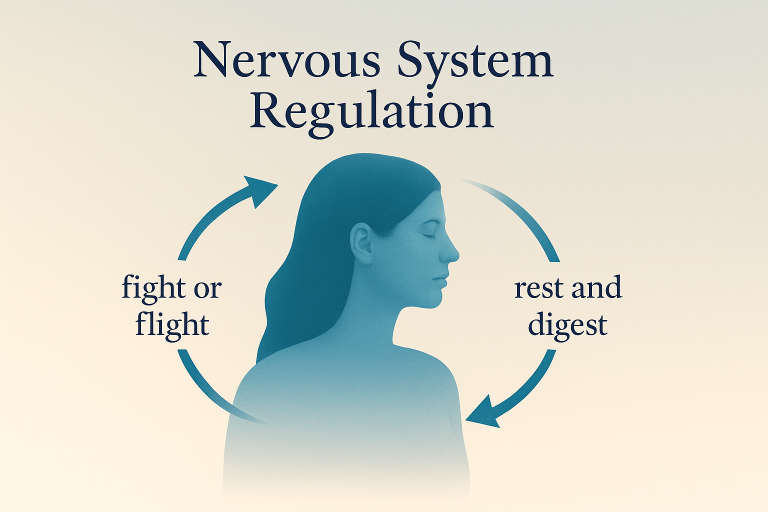
This is why advice such as “just relax” or “be more confident” can feel useless. By the time you need those instructions, the alarm may already be running. The work has to reach the part of the system that decides whether being seen is safe.
Why do presentation nerves become sticky?
Public speaking anxiety often grows through a cycle of pressure, checking and avoidance.
You dread the event. You overprepare. You monitor yourself while speaking. You notice symptoms. You judge your performance afterwards. Then the memory becomes evidence that next time may be dangerous too.
The mind thinks it is helping by reviewing, rehearsing and preparing, but it can end up practising the fear.
Each avoided meeting, missed opportunity, rushed speech or over-rehearsed presentation can make the pattern feel more convincing. The nervous system learns that speaking is something to survive, not something to do.
The good news is that this kind of fear is learned, which means it can also be updated.
How can hypnotherapy help with performance anxiety?
Since 2003 our anxiety specialists have helped people change the way they respond to being seen, heard and judged. We treat presentation nerves as an anxiety pattern, not as a weakness. That means we look at the trigger, the body response, the internal checking, the avoidance and the loss of trust that can build around speaking.
Change the threat association
We begin by finding where the spike actually starts. For one person it may be seeing their name on the agenda. For another it may be standing up, hearing silence, making eye contact, answering questions, or reaching the part of the talk where they fear going blank. In focused therapeutic work, we help the mind update the old prediction: being visible does not have to mean being unsafe.
Reduce the body alarm
Then we work with the physical response. The aim is not to hide symptoms better. It is to help the body stop producing so much alarm in the first place. As the system settles, the voice usually has more room, the mind has more access to memory, and pauses can begin to feel less dangerous.
Stop rehearsing the fear
Many people rehearse the talk but also rehearse the catastrophe. They imagine the blank, the tremor, the red face, the silence, the mistake, the judgement. We help you stop practising fear and start building a different internal expectation of the event.
Prepare for the moments that matter
We also work with the situations you actually face, not a generic idea of public speaking. That may be a team update, a board presentation, a wedding speech, a viva, a pitch, a webinar, a classroom, a camera, or a difficult question from someone senior. The work needs to transfer into your real life.
What changes when public speaking stops feeling dangerous?
Change often feels quieter than people expect. You may still care about doing well, but the body no longer treats the room as a threat. You can begin, pause, think, answer and continue without feeling as if one symptom will expose you.
Clients often describe a return of trust. Trust in their voice, their memory, their preparation and their ability to recover if something does not go perfectly. That trust matters, because most people do not need to become brilliant performers. They need to feel safe enough to be clear, human and present.
Who can this help?
We work with professionals at every level, students, academics, teachers, trainers, founders, wedding speakers, performers and people who have avoided promotion or visibility because they did not trust themselves under pressure. Presentation nerves can look different from person to person, but the emotional pattern is often similar: the moment matters, people are watching, and the body starts to protect you from being seen.
Public speaking anxiety often overlaps with social anxiety and shyness, but it is not always the same thing. Some people are socially confident until they have to perform. Others feel anxious in most situations where they might be judged. If you are unsure which pattern fits, the Anxiety Pattern Finder can help you make sense of the overlap.
Fees and practical details
Current session fees are listed on our pricing page. Many public speaking anxiety clients work over a small number of focused sessions, sometimes with an extra session before a major event. We work in person and online, and we can map the programme around the date of your talk, presentation, interview, pitch or speech.
Frequently asked questions about public speaking anxiety
Hypnotherapy can help by working with the automatic anxiety response behind public speaking fear. The aim is to change the learned association between being seen and being unsafe, so your body can stay steadier when you need to speak.
Fear of going blank is one of the most common public speaking anxiety patterns. We work with both the fear of the blank and the body alarm that can cause memory to feel unavailable. As the threat response settles, people often find they can think, pause and recover more naturally.
Yes, those symptoms are part of the body alarm response for many people. The work is not about hiding symptoms or pretending they are not there. It is about helping the nervous system stop producing so much alarm when you are visible.
Yes. The goal is not to turn you into a stage performer or give you a fake speaking persona. It is to reduce the fear response so your natural voice, judgement and personality have more room to come through.
It can be. Some people only struggle when they have to perform, while others also feel anxious in meetings, conversations, dating, eating in public or being watched. If the anxiety is wider than speaking, our Social Anxiety and Shyness page may also be useful.
A different way to picture your next talk
Instead of bracing, imagine preparing with a steadier kind of attention. You know your first line, but you are not clinging to it. You notice the room without scanning it for danger. If there is a pause, you can let it be a pause. If your body gives you a small flutter, it does not become the whole story. You speak, respond and finish with the sense that you were present enough to be yourself.
Can we help you with public speaking anxiety?
If presentation nerves, public speaking anxiety or performance pressure have started shaping your choices, it does not have to stay that way. Get in touch to book your first session. We will map the pattern, look at the situations where it shows up, and help you begin rebuilding trust in your voice, body and memory.