
Some people start going out again well before they feel much better. They’re travelling further from home and saying yes to things they would have thought twice about a few months ago. Those are real signs of anxiety recovery. Then they have a bad day, and when I ask how they’re getting on, they tell me they don’t think much has changed. I can see why they’d say that. If you’ve spent weeks hoping to feel less anxious, the day it hits you hard again is the one that sticks in your mind.
I’ve seen this often in more than 20 years of working with people with anxiety. It can be demoralising to put effort into changing something and come away each week thinking you’re still in the same place.
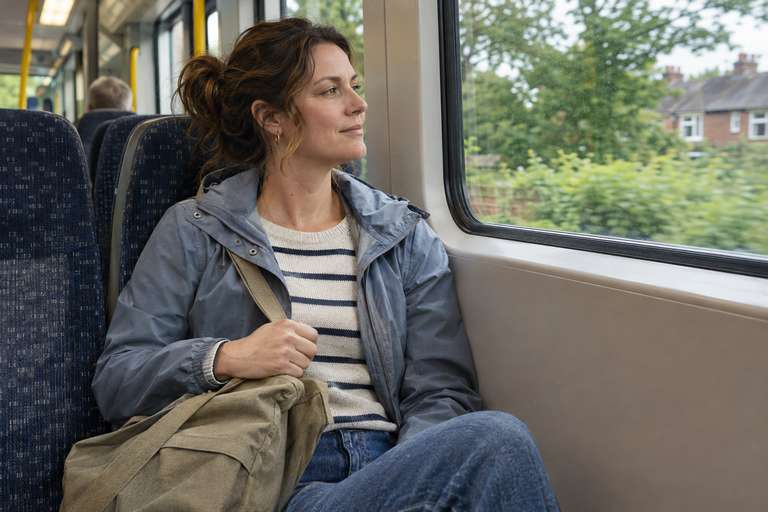
Some of the clearest signs of anxiety recovery are in the things you’ve started doing again, so I usually ask people to look back over the past few weeks. I might ask where they’ve been, what they’ve said yes to and what they used to do before going out that they hardly bother with now. The answers often tell them something they hadn’t realised.
Why ordinary days are so easy to forget but are signs of anxiety recovery.
I often put it this way. People don’t notice normal, they only notice abnormal. Imagine you’ve made twenty ordinary journeys and then, on the next one, you feel that familiar rush of anxiety. You can probably remember where you were when it started and what went through your mind. Ask yourself what happened on the other twenty journeys and you might struggle to tell them apart. You arrived, did what you’d gone there to do and probably didn’t give the journey another thought.
That’s one reason improvement is so easy to miss. When anxiety is making life difficult, you’re aware of all the extra decisions it creates. With toilet anxiety, for example, you might spend more time working out where you could stop on the way than thinking about the place you’re going to. As things improve, you may find yourself leaving the house having given the route very little thought. You’re probably thinking about who you’re meeting or whether you’ll get there on time. By the end of the day, it may never occur to you that something you used to do every time you went out is quietly dropping out of your routine.
Look at what you’re doing now
I often see changes in roughly this order. First, people begin to think differently about a situation. That gives them room to do something differently, and what happens when they do it can gradually change what they believe they’re capable of. Their feelings may take longer to catch up. It varies from person to person, but it helps explain how someone can still feel apprehensive about an invitation and have reached the point where they can say yes to it. After doing that a few times, they may begin to trust that they can go out and enjoy themselves again.
With some of my toilet anxiety clients, I ask them to fill in the Toilet Anxiety Assessment again during treatment. We put their latest answers alongside the ones they gave at the start. They may be going further from home, ruling out fewer places and spending less time working out where the toilets are. These are the sorts of everyday changes that show up in toilet anxiety recovery. Seeing their own answers side by side can be a genuine surprise, particularly if they came into the session thinking they’d had a poor week.
What interests me is what the person makes of that comparison. They can see their own account of something they used to avoid, alongside their account of doing it now. That gives them a reason to have a little more confidence the next time a similar situation comes up. You can make that comparison yourself from time to time. Think of something you’ve done in the past few weeks that you’d previously have avoided or needed to plan around, and consider how much preparation and effort it took then and how much it takes now. There’s more to learn from that occasional look back than from asking yourself all day whether the anxiety has gone.
When one difficult day seems to undo everything
Say you’ve been travelling further from home for several weeks, and then you feel anxious on a journey you expected to be straightforward. It’s easy to go from thinking you had a difficult journey to thinking you’re back where you started. That’s catastrophic thinking, and the trouble is what you do next if you believe it. You might start checking every possible toilet stop again, or turn down a trip you’d have accepted the week before. Once those decisions start to build up, your life can begin to narrow again.
When someone has a difficult day like this, we talk through what happened. Some of the people I work with have had frightening experiences like it for years. What can make this one especially upsetting is that it came at a time when they thought things were going better. I’m interested in what they think the experience tells them about their progress, so I often ask what they would have done in the same circumstances before we started working together.
They may have completed the journey this time, despite feeling anxious, when previously they wouldn’t have set off. The journey may have been every bit as unpleasant as they remember. The fact they went at all is a change they might have missed. Sometimes I keep seeing people about once a month in the early stages of recovery so we can look at what’s going well and talk through experiences like this before the old precautions work their way back in.
One bad day can feel like a big deal, particularly when it takes you by surprise. I’d look at what’s been happening the rest of the time. If you’re finding more and more journeys difficult or regularly cancelling things again, that’s worth paying attention to. If you’ve had one rough afternoon among weeks in which you’ve been going out more freely, look at what you did afterwards as well. Did you make your usual plans the following week? Your response in the days after a setback can tell you more about where you are than how you felt at the worst point of it.
Getting back to ordinary life
What I want for the people I work with is for them to get back to normal life. They can make plans based on what they want to do, and anxiety has less and less say in those decisions. They may still have an anxious thought, feel uncomfortable now and then or have a day they’d rather forget. They decide for themselves when they feel confident enough to say life feels normal again.
If you’re wondering whether your anxiety is getting better, pick something you used to think twice about and consider what happened the last few times it came up. Maybe you took the journey when it suited you, accepted an invitation before you’d worked out all the details, or found yourself thinking about the day itself instead of how you’d get through it. Those changes are easy to overlook precisely because they can feel so ordinary. Being able to get on with an ordinary day is often what you wanted in the first place. These are signs of anxiety recovery and they’re right in front of you.